
Upgrading to LED & Smart Lighting: Benefits for Homes and Offices
March 17, 2026
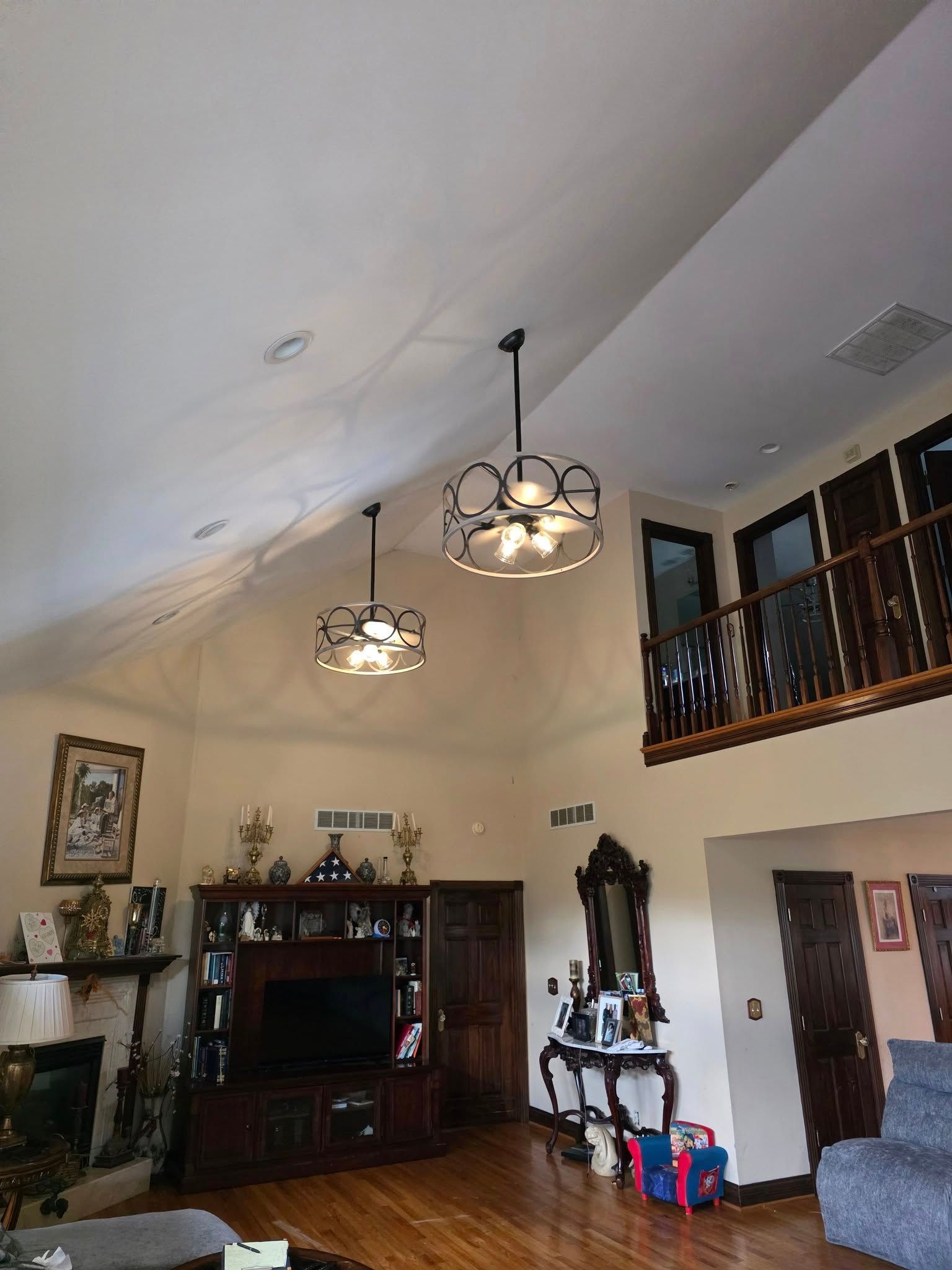
Lighting has always been more than just a functional element in homes and offices—it sets the tone, enhances productivity, and influences overall well-being. Traditional lighting solutions, such as incandescent or fluorescent bulbs, are increasingly being replaced by more efficient, versatile options. In particular, LED (Light Emitting Diode) and smart lighting systems have emerged as game-changers in residential and commercial settings. Their adoption is not just a matter of aesthetics or convenience—it’s about energy efficiency, long-term cost savings, environmental responsibility, and adaptability in dynamic living and work environments.
For homeowners and office managers alike, upgrading to LED and smart lighting offers a strategic advantage. Beyond lower electricity bills, these technologies provide customizable lighting experiences, greater control through automation, and enhanced safety features. In commercial environments, the benefits extend to improved employee performance, reduced operational costs, and the ability to integrate lighting with other smart building systems. As the demand for energy-efficient, tech-enabled solutions grows, understanding the tangible benefits and best practices for LED and smart lighting upgrades has become essential. This guide delves into the key advantages, practical considerations, and strategic insights for making informed lighting decisions in both homes and offices.
1. Energy Efficiency and Cost Savings
Lower Electricity Consumption
LED lighting consumes significantly less energy than traditional incandescent and fluorescent bulbs. While an incandescent bulb typically uses 60 watts to produce a standard level of light, a comparable LED consumes only 8–12 watts. This difference translates directly into lower monthly energy bills. For offices with hundreds of light fixtures, switching to LEDs can lead to substantial cost savings over time. In residential settings, LED adoption can reduce household electricity usage by 30–50%, depending on the number of bulbs and usage patterns.
Longevity Reduces Replacement Costs
LEDs also have a much longer lifespan, often lasting 25,000 to 50,000 hours compared to 1,000 hours for incandescent bulbs. This longevity reduces the frequency and cost of replacements. For commercial buildings, this also means fewer maintenance disruptions, minimizing labor costs and downtime associated with changing bulbs. The cumulative effect of lower energy consumption and extended lifespan makes LED lighting a financially sound choice for both homes and offices.
Real-World Example
Consider a mid-sized office with 200 lighting fixtures operating 10 hours per day. Transitioning to LEDs could reduce annual electricity costs by thousands of dollars, while also cutting the need for frequent maintenance. Similarly, homeowners replacing all incandescent bulbs with LEDs can see a noticeable reduction in monthly utility bills within the first year.
2. Enhanced Control with Smart Lighting
Automation and Convenience
Smart lighting systems offer unprecedented control over how and when lights are used. Through smartphone apps, voice assistants, or automated schedules, users can adjust brightness, color temperature, and even turn lights on or off remotely. In offices, smart lighting can be programmed to respond to occupancy sensors, ensuring lights are active only when needed, further enhancing energy savings.
Customization for Different Environments
Lighting needs vary throughout the day. Morning light may require brighter, cooler tones to boost alertness, while evening light may benefit from warmer, softer hues to promote relaxation. Smart lighting enables both residential and commercial users to tailor these settings easily. In homes, this allows for mood-based adjustments for reading, entertainment, or dining. In offices, it can optimize lighting for specific tasks, reducing eye strain and improving productivity.
Integration with Other Smart Systems
Modern smart lighting can integrate with broader home or office automation systems. For instance, lights can sync with thermostats, security cameras, or window shades. A commercial example could involve adjusting lighting based on occupancy or daylight availability, creating a responsive and adaptive environment. Integration capabilities not only improve energy efficiency but also enhance overall convenience and operational intelligence.
3. Improved Health and Well-being
Circadian Rhythm Alignment
Lighting profoundly affects human circadian rhythms, which regulate sleep, alertness, and overall wellness. LEDs, particularly those with adjustable color temperatures, can mimic natural sunlight patterns, supporting proper sleep-wake cycles. In homes, this can improve sleep quality and daytime energy levels. In offices, circadian-friendly lighting can enhance focus and reduce fatigue during long working hours.
Reduced Eye Strain and Headaches
Poor or inconsistent lighting often leads to eye strain and headaches, especially in office settings where employees spend long hours in front of screens. LED lighting provides uniform, flicker-free illumination that minimizes glare and harsh shadows. Smart lighting systems further reduce strain by allowing users to customize brightness levels and color temperatures according to their preferences and specific tasks.
Psychological Benefits
Beyond physical well-being, smart lighting can influence mood and cognitive performance. Warm, dimmable lights create a relaxing environment at home, whereas bright, cooler tones in an office can improve concentration and alertness. Offices with dynamic lighting schemes report higher employee satisfaction, fewer complaints about discomfort, and improved overall morale. This dual benefit—health and productivity—makes LED and smart lighting an investment in human capital as much as in infrastructure.
4. Environmental Responsibility
Reduced Carbon Footprint
LED lighting’s energy efficiency directly translates into reduced carbon emissions. Since LEDs use less electricity, they help lower the demand on power plants, which in turn decreases greenhouse gas emissions. For environmentally conscious homeowners and businesses, upgrading to LED lighting is a tangible step toward sustainability.
Less Waste
Long-lasting LEDs also mean less frequent replacements, reducing the volume of waste associated with spent bulbs. Unlike fluorescent bulbs, LEDs do not contain mercury, making disposal safer and environmentally friendly. Companies and homeowners who prioritize green practices benefit not only from lower energy use but also from responsible material management.
Compliance with Sustainability Standards
Many modern buildings and offices aim for certifications such as LEED (Leadership in Energy and Environmental Design) or WELL Building Standards. Installing LED and smart lighting contributes to these certifications by demonstrating energy efficiency, occupant comfort, and sustainable practices. Incorporating these technologies positions organizations as leaders in environmental stewardship.
5. Security and Safety Enhancements
- Smart Lighting for Home Security :- Smart lighting can act as a deterrent for potential intruders. Homeowners can program lights to simulate occupancy when away, or link them to motion sensors for instant illumination in case of unexpected activity. This enhances both physical safety and peace of mind.
- Emergency Preparedness :- In commercial buildings, LED lighting can be integrated with emergency backup systems to ensure safe evacuation during power outages. The instant-on feature of LEDs is particularly valuable in these scenarios, providing reliable illumination when it is needed most.
- Workplace Safety :-
Well-lit office environments reduce accidents and improve overall safety. Smart lighting can automatically illuminate areas like stairwells, parking lots, and hallways only when occupied, ensuring safety while avoiding unnecessary energy consumption. Additionally, customizable brightness levels allow for task-specific lighting in work areas, minimizing strain and the risk of errors.
6. Implementation Strategies and Best Practices
Assessing Current Lighting Infrastructure
Before upgrading, it’s essential to evaluate the existing lighting setup. This includes inventorying bulb types, fixture compatibility, and electrical capacity. Conducting a thorough assessment helps identify which areas will benefit most from LED and smart lighting installation.
Gradual Transition vs. Full Upgrade
Depending on budget and scale, a gradual transition may be more practical. Start with high-usage areas such as kitchens, living spaces, or office workstations. This phased approach allows users to experience benefits incrementally while spreading out costs. Full upgrades can be more cost-effective long-term but require careful planning and potential downtime.
Choosing the Right Products
Selecting high-quality LEDs and compatible smart lighting systems is critical. Consider factors such as lumens (brightness), color temperature, dimming capability, and smart features. For offices, sensors and automated schedules enhance efficiency, while in homes, app control and voice integration improve convenience. Partnering with experienced electricians ensures proper installation and maximizes the lifespan and performance of the system.
Maintenance and Monitoring
Even with long-lasting LEDs, occasional maintenance is necessary. Smart lighting systems often provide usage data, allowing users to monitor energy consumption and adjust settings for optimal performance. Regular checks also ensure that integration with other systems, such as HVAC or security, continues to function seamlessly.
Budget Considerations and ROI
While upfront costs of LEDs and smart lighting may be higher than traditional bulbs, the long-term return on investment is substantial. Energy savings, reduced maintenance costs, enhanced productivity, and improved health benefits all contribute to measurable financial and non-financial returns. Evaluating potential ROI based on specific usage patterns ensures an informed investment decision.
Trusted Specialists Optimizing Energy-Efficient Lighting Systems
Upgrading to LED and smart lighting presents a compelling combination of energy efficiency, cost savings, enhanced control, improved well-being, environmental responsibility, and security benefits. Whether in homes or offices, these technologies offer customizable solutions that adapt to the unique needs of every space, providing both practical and aesthetic advantages. From reduced electricity bills to optimized work environments and safer, healthier living spaces, the value of modern lighting solutions extends far beyond illumination alone.
For homeowners and business owners in Shepherdsville and Louisville, Kentucky, Northrup Electrical Services LLC
brings over 24
years of experience in electrical services, specializing in
LED and smart lighting installations. Our team combines deep industry knowledge with a commitment to customer satisfaction, ensuring every project is completed with precision and professionalism. From evaluating your current lighting setup to selecting the right products and executing seamless installation, we provide solutions that maximize efficiency, enhance comfort, and deliver long-term value. With Northrup Electrical Services LLC, you gain a partner you can trust to illuminate your home or office with advanced, energy-efficient, and smart lighting systems tailored to your unique needs.