
Why Your 100-Amp Panel Can't Keep Up With Modern Kentucky Homes (Induction Stoves, Heat Pumps & EVs)
April 20, 2026
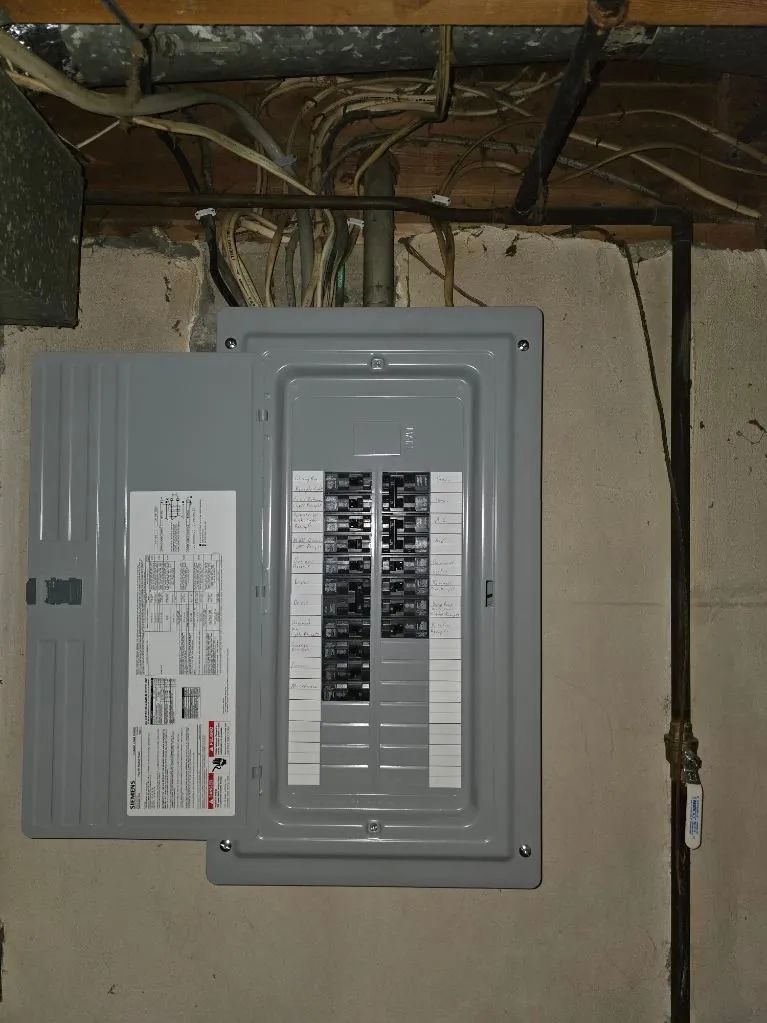
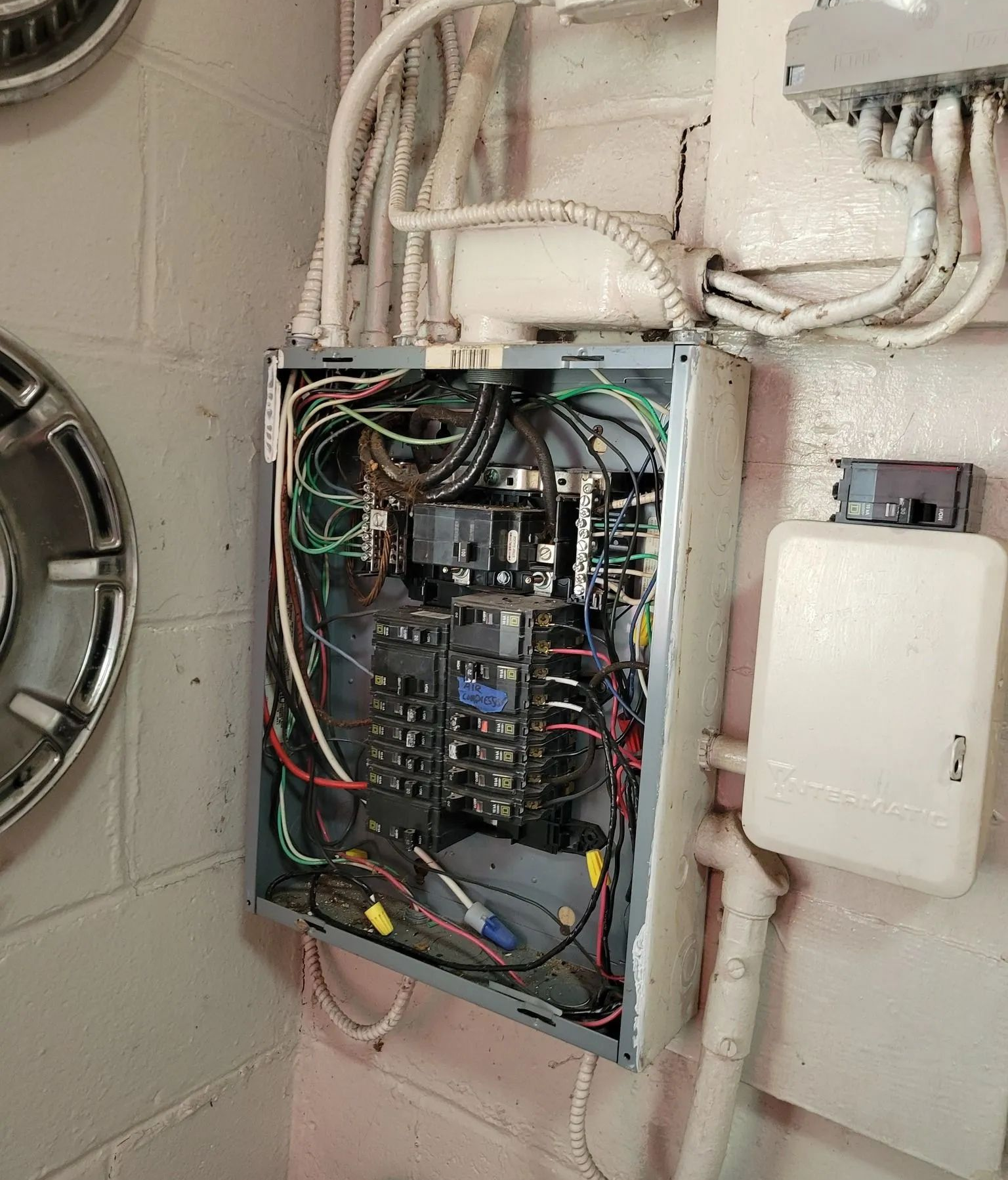
Across Kentucky, homes are evolving faster than the electrical systems designed to support them. What once worked perfectly for lighting, basic appliances, and modest HVAC systems is now being pushed to its limits by high-demand technologies like induction stoves, electric heat pumps, and electric vehicles. At the center of this issue is the 100-amp electrical panel—long considered sufficient for residential use but increasingly unable to meet modern energy demands. As homeowners adopt more efficient, electric-powered solutions, the gap between energy consumption and system capacity becomes impossible to ignore.
This shift is not just about convenience; it directly impacts safety, performance, and long-term property value. An overloaded panel can lead to frequent breaker trips, inconsistent power delivery, and even fire hazards. Understanding why a 100-amp panel struggles in today’s environment is essential for homeowners planning upgrades or new installations. By examining how modern appliances draw power and how electrical infrastructure must adapt, homeowners can make informed decisions that ensure reliability, efficiency, and safety in their homes.
1. The Limits of a 100-Amp Electrical Panel
Understanding Electrical Capacity
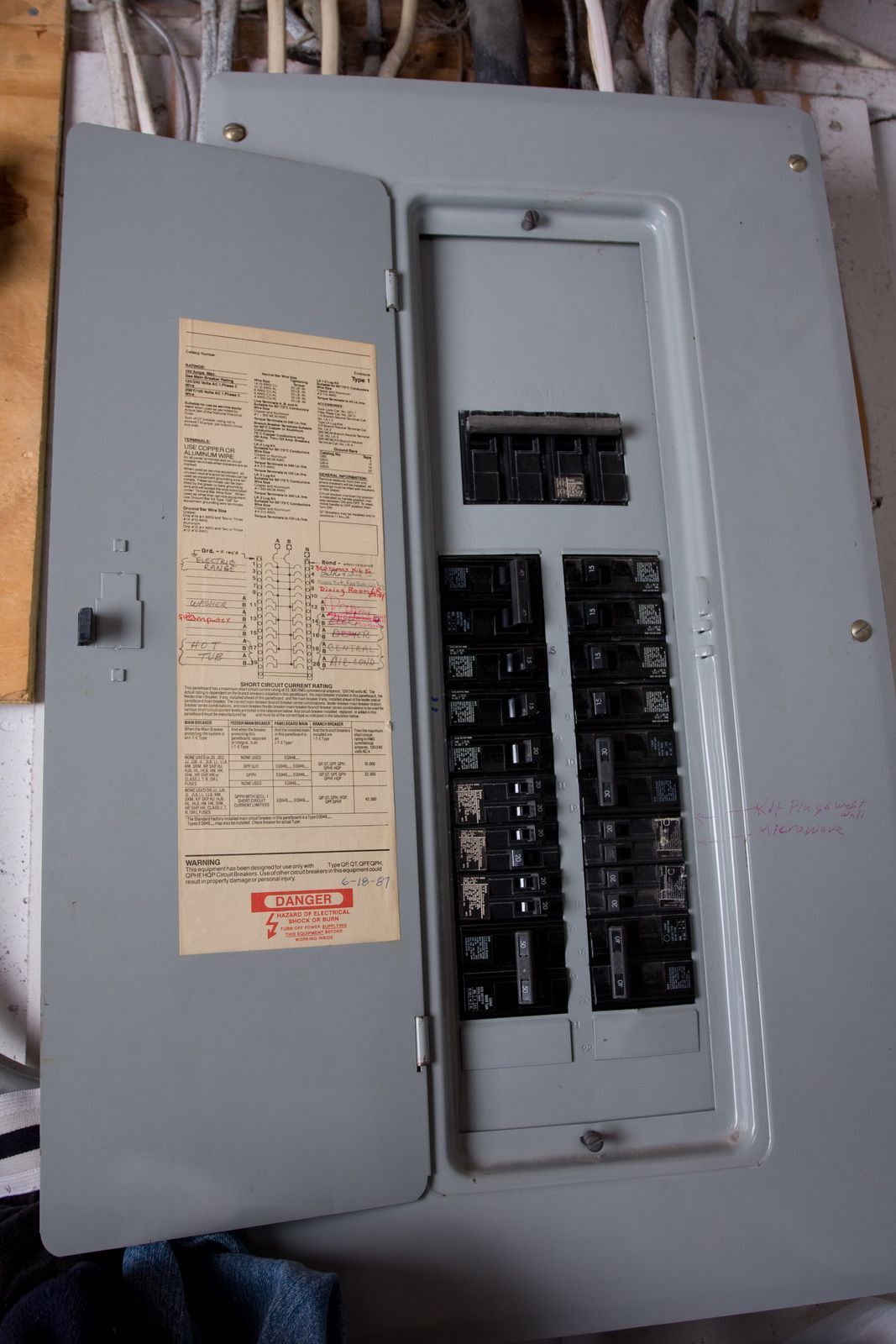
A 100-amp panel provides a maximum electrical capacity of approximately 24,000 watts. Decades ago, this was more than sufficient for most households. Homes relied on gas-powered appliances, fewer electronic devices, and less energy-intensive systems overall. Today, however, electrical demand has increased dramatically due to electrification trends and the growing reliance on high-performance appliances.
Modern households often operate multiple large-load devices simultaneously. When these loads exceed the panel’s capacity, the system becomes strained. Breakers trip not because of faults, but because the panel cannot safely distribute power to all connected circuits at once.
Why Older Systems Fall Behind
Older electrical systems were not designed with future scalability in mind. Many Kentucky homes still operate on original panels installed decades ago. These systems lack the flexibility and capacity to accommodate modern energy needs, especially as homeowners transition away from fossil fuels toward all-electric solutions.
In practical terms, a 100-amp panel forces homeowners to make compromises. Running a stove, HVAC system, and EV charger simultaneously may not be feasible. This limitation reduces efficiency and convenience while increasing the risk of overload.
2. High-Demand Appliances Driving Energy Consumption
Induction Stoves and Kitchen Electrification
Induction stoves are becoming increasingly popular due to energy efficiency, precise temperature control, and safety benefits. However, these appliances require significant electrical power, often drawing between 7,000 and 10,000 watts during operation.
In homes with a 100-amp panel, adding an induction stove can immediately strain the system. If other major appliances are running concurrently, the panel may not sustain the load. This leads to frequent interruptions and limits the usability of the kitchen during peak times.
Heat Pumps and Whole-Home Electrification
Heat pumps are another major contributor to rising electrical demand. These systems provide both heating and cooling, making them an attractive alternative to traditional HVAC systems. However, they rely entirely on electricity, especially during colder months when auxiliary heating may activate.
A single heat pump can significantly increase a home’s electrical load. When combined with other systems, the total demand can quickly exceed what a 100-amp panel can safely handle. This is particularly relevant in Kentucky, where seasonal temperature fluctuations require consistent HVAC performance.
Electric Vehicles and Charging Requirements
Electric vehicles represent one of the most significant shifts in residential energy use. Level 2 EV chargers, commonly installed in homes, can draw between 7,000 and 11,000 watts. Charging typically occurs during evening hours when other household systems are also in use.
For homes with a 100-amp panel, EV charging often requires careful scheduling or load management. Without upgrades, homeowners may face limitations on charging speed or frequency, reducing the convenience of owning an electric vehicle.
3. Real-World Scenarios: When Demand Exceeds Supply
Everyday Power Conflicts
Consider a typical evening scenario: cooking dinner on an induction stove, running a heat pump, charging an electric vehicle, and operating standard household electronics. In a home with a 100-amp panel, this combination can easily exceed available capacity.
The result is not just inconvenience but system instability. Breakers may trip repeatedly, forcing homeowners to reset circuits and redistribute loads manually. Over time, this can lead to wear and tear on the electrical system.
Hidden Risks of Overloaded Panels
Beyond inconvenience, overloaded panels pose serious safety risks. Electrical systems operating near or beyond capacity generate excess heat. This increases the likelihood of damaged wiring, insulation breakdown, and potential fire hazards.
In many cases, these risks develop gradually and go unnoticed until a failure occurs. Homeowners may attribute minor issues to normal wear, unaware that the underlying cause is insufficient panel capacity.
Impact on Property Value
Homes with outdated electrical systems may face challenges during resale. Buyers increasingly prioritize properties equipped to handle modern technologies. A 100-amp panel can be viewed as a limitation, potentially affecting marketability and value.
Upgrading the electrical system not only improves functionality but also enhances the home’s appeal to future buyers.
4. Benefits of Upgrading to a Higher-Capacity Panel
Improved Performance and Reliability
Upgrading to a 200-amp panel provides significantly more capacity, allowing homeowners to operate multiple high-demand appliances simultaneously without issues. This eliminates the need for load management and ensures consistent power delivery throughout the home.
A higher-capacity panel also reduces the likelihood of breaker trips, improving overall reliability and convenience.
Future-Proofing the Home
As technology continues to evolve, electrical demand will only increase. Smart home systems, additional EVs, and advanced appliances will require more power. Upgrading the panel now ensures the home is prepared for future needs.
Future-proofing is particularly important in regions experiencing growth and modernization. Homes equipped with robust electrical systems are better positioned to adapt to changing technologies.
Enhanced Safety Standards
Modern panels incorporate updated safety features, including improved circuit breakers and better load distribution. These enhancements reduce the risk of overheating and electrical faults, providing greater peace of mind for homeowners.
Safety is a critical factor in any electrical upgrade. A higher-capacity panel not only meets current demands but also aligns with modern safety standards.
5. Best Practices for Electrical Upgrades
- Conducting a Professional Load Calculation :-
Before upgrading a panel, it is essential to perform a detailed load calculation. This process evaluates current and future electrical needs, ensuring the new system is appropriately sized.
Load calculations consider factors such as square footage, appliance usage, HVAC systems, and planned additions. Accurate assessments prevent under- or over-sizing, both of which can lead to inefficiencies.
- Planning for Dedicated Circuits :-
High-demand appliances should have dedicated circuits to ensure safe operation. This includes induction stoves, heat pumps, and EV chargers. Dedicated circuits prevent overload on shared lines and improve overall system performance.
Proper circuit planning is a key component of any electrical upgrade. It ensures each appliance receives the power it needs without compromising other systems.
- Working with Experienced Professionals :-
Electrical upgrades require expertise and adherence to local codes and regulations. Professional electricians ensure installations are performed safely and correctly, minimizing risks and maximizing performance.
Working with experienced professionals also provides access to valuable insights and recommendations tailored to specific homes and needs.
6. Challenges and Considerations in Panel Upgrades
Cost and Investment Factors
Upgrading an electrical panel involves upfront costs, including materials, labor, and potential modifications to existing wiring. While this investment may seem significant, it provides long-term benefits in safety, efficiency, and property value.
Homeowners should view panel upgrades as a strategic investment rather than an expense. The benefits often outweigh the initial costs over time.
Coordination with Utility Providers
In some cases, panel upgrades require coordination with utility companies. This may involve service upgrades or temporary power disconnections during installation.
Proper planning ensures minimal disruption and a smooth transition to the new system. Experienced electricians can manage this process efficiently.
Permits and Compliance
Electrical upgrades must comply with local building codes and regulations. Obtaining the necessary permits and inspections ensures the work meets safety standards and avoids potential legal issues.
Compliance is essential for both safety and resale purposes. Proper documentation demonstrates that the upgrade was performed correctly and professionally.
Trusted Electrical Experts Deliver Reliable Panel Upgrades
The electrical demands of modern Kentucky homes have outgrown the capabilities of traditional 100-amp panels. With the rise of induction cooking, energy-efficient heat pumps, and electric vehicles, households require more power than ever before. Attempting to operate these systems on outdated infrastructure leads to performance issues, safety risks, and long-term limitations. Upgrading to a higher-capacity panel is not simply a convenience—it is a necessity for maintaining reliability, safety, and efficiency. By understanding the limitations of existing systems and planning for future needs, homeowners can ensure their electrical infrastructure supports modern living without compromise.
For homeowners seeking
dependable electrical solutions, Northrup Electrical Services LLC
stands as a trusted authority serving Shepherdsville and Louisville, Kentucky. With over 24
years of experience, we deliver expert panel upgrades, load assessments, and system improvements tailored to modern energy demands. Our commitment to safety, precision, and long-term performance ensures every project meets the highest standards. We understand the challenges homeowners face when transitioning to high-demand appliances and provide clear, practical solutions that enhance efficiency and reliability. From initial consultation to final installation, we focus on delivering results that support today’s technology while preparing homes for the future.