
Breaker Warm or Buzzing in the Panel? Why That's a Call Now Sign
October 13, 2026
Trusted Louisville Electricians Who Diagnose Panels Accurately
WARNING: If you open your panel cover and see any blackening, melted plastic, a burning odor, or hear a faint buzzing or crackling sound, close the cover and do not touch anything inside. These are signs of active arcing, which is a fire risk. This is not a situation for troubleshooting. Call a licensed electrician immediately.
| What You Are Seeing | Most Likely Cause | Severity | First Step |
|---|---|---|---|
| One breaker trips repeatedly, others fine | Worn breaker or overloaded circuit | Medium | Check the load on that circuit before replacing |
| Breaker trips and will not reset | Internal failure or short on the circuit | High | Test the circuit for shorts before installing new breaker |
| Warm panel cover or breaker face | Loose connections or overloaded bus | High | Stop using the circuit and call an electrician |
| Burning smell near the panel | Arcing or insulation damage | High | Do not open the panel, call immediately |
| Multiple breakers tripping | Panel overload or failing main breaker | High | Full panel inspection required |
| Breaker trips only under heavy load | Undersized circuit or aging breaker | Medium | Evaluate circuit capacity and load |
| Lights flicker on multiple circuits | Loose main connection or failing neutral | High | Requires electrician, not a DIY check |
| Panel is a known defective brand | Manufacturer defect in breaker design | High | Plan for full panel replacement |
Quick Answer: A breaker that feels warm or buzzes is telling you that current is meeting resistance somewhere inside the panel. A faint, steady hum under a heavy load can be normal. A buzz that comes and goes, a crackle, a hiss, or a breaker you can't comfortably hold your hand against usually means a loose connection at the breaker or the bus bar, an internal failure in the breaker, or a circuit pulling more than the breaker can carry. Heat at a connection builds on itself, so the problem gets worse over time, not better. Switch off what the circuit feeds, keep clear of the panel, and have an electrician look at it the same day.
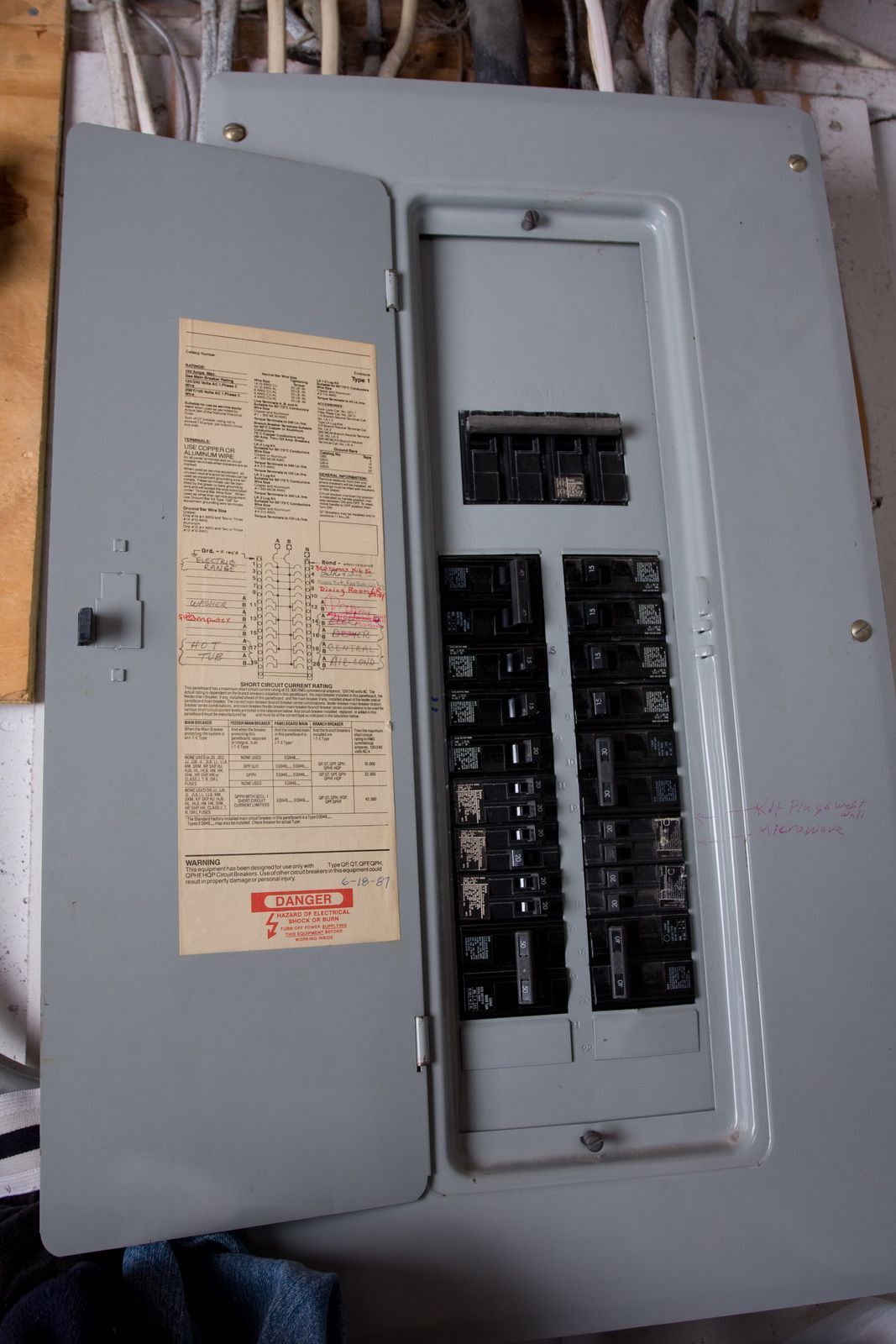
You're down in the basement or out in the garage to move a box, and you hear something you've never noticed before. It's a low buzz coming from the panel. You open the door, and one breaker looks the same as every other breaker, but when you rest your fingertips near it, it feels warmer than the ones beside it. Maybe you caught a faint smell like hot plastic. Maybe the buzzing only started after the dryer kicked on. Nothing has tripped, nothing has gone dark, and the house is running normally. That's exactly why so many people talk themselves into waiting.
Don't wait on this one. A breaker that trips is doing its job. A breaker that runs hot or buzzes is a part that is struggling, and nothing is stepping in to stop it. This article walks through what's happening inside the panel, which sounds are harmless, which are not, and what an electrician does when we open the cover.
Why a Warm Breaker Is Different From a Tripped Breaker
A breaker has two jobs. It has to carry the circuit's normal current all day without overheating, and it has to open the circuit fast when something goes wrong. A tripped breaker is the second job working. A warm or buzzing breaker is the first job failing quietly.
Every electrical connection has some resistance. When the connection is tight and clean, that resistance is tiny and the heat is negligible. When a connection loosens, corrodes, or never got tightened properly, resistance climbs. Current pushing through a poor connection turns into heat right at that spot. The hotter the spot gets, the more the metal oxidizes and the more the connection loosens, which raises resistance again. It's a loop, and it doesn't stop on its own.
Here's the part that catches people off guard. A heat problem like this can sit well below the level that trips a breaker. The breaker is watching how much current flows through it, not how hot its own terminal is running. So a connection can cook for weeks while the breaker stays closed and the lights stay on.
A Normal Hum Versus a Buzz That Means Trouble
Not every sound from a panel is a warning. Panels are full of metal parts carrying alternating current, and some of them vibrate slightly. Telling the sounds apart is a skill, so here is how we sort them.
A Soft, Steady Hum
A faint, consistent hum that rises slightly under heavy loads may come from normal electrical vibrations. If quiet and cool, it is generally harmless.
An Uneven Or Intermittent Buzz
Buzzing that starts, stops, or changes pitch with appliances may indicate loose connections or poor breaker contact, requiring prompt electrical inspection.
A High-Pitched Whine Or Sharp Buzz From One Breaker
A distinct sound from one breaker may indicate internal wear or deterioration. Have a qualified electrician inspect it promptly.
Crackling, Sizzling, Or Hissing
These sounds may indicate dangerous electrical arcing and intense localized heat. Treat this as an emergency, avoid touching the panel, and call emergency electrical services.
If you can't tell which category you're hearing, assume it's the more serious one until someone with a tester has checked.
What's Actually Happening Inside the Panel
When a breaker runs warm or buzzes, the cause usually falls into one of a handful of buckets. Most of them are connection problems, not overload problems, which surprises homeowners who assume heat always means "too much power."
A Loose Lug On The Wire Side
Breaker terminal screws can loosen as copper and aluminum wires expand and contract with changing loads. Temperature swings gradually weaken connections, creating dangerous heat.
A Breaker That Isn't Gripping The Bus Bar
Breaker clips can lose spring tension, while repeated arcing damages bus surfaces. Reduced contact area increases resistance and heat, especially under heavy electrical loads.
A Failing Breaker
Breakers contain mechanical components that wear over time. Repeated tripping or age can increase internal resistance, causing overheating even when connections remain properly secured.
A Circuit Loaded Right At Its Limit
Appliances running near circuit capacity for extended periods can heat breakers without tripping. Persistent warmth may indicate excessive loading that requires professional evaluation.
Corrosion Or Moisture
Moisture in damp basements, outbuildings, or exterior panels can corrode terminals. Corrosion increases electrical resistance, generating heat and potentially compromising connection safety.
Tip: Use the back of your hand, not your fingertips, and only touch the plastic handle or the front face of the breaker, never a screw, a wire, or the metal inside the panel. A breaker that is only slightly warmer than the one beside it under a normal load is worth mentioning to an electrician. A breaker that is too hot to keep your hand against comfortably is past that stage, and you should switch off its loads and step away.
Why Heat in a Panel Gets Dangerous Quickly
Panels sit in a spot where heat has a lot to work on. The wire insulation, the plastic breaker bodies, and the cardboard or wood of the wall behind the panel are all close to a hot connection. The hotter a loose terminal runs, the more it softens the plastic and insulation around it. Softened insulation can let a wire touch its neighbor or the metal enclosure, and that is how a warm breaker turns into a short, an arc fault, or a fire inside the wall.
It also does damage that stays behind after the problem is fixed. A terminal that has run hot for a long time can discolor, pit, or anneal, which means the metal itself has been softened by heat. That's why we don't just tighten a screw and call it done when we find heat damage. We check the metal, the wire end, and the bus connection, because a damaged contact will go right back to heating even after it's tightened.
What to Do Right Now If You Notice It
If you've found a warm or buzzing breaker, these steps keep the situation as safe as it can be until a professional is on site.
Reduce The Load On That Circuit
Unplug or switch off connected devices to reduce current and heat. Stop using dedicated appliances if their breakers become unusually warm.
Don't Keep Flipping It
Repeatedly switching a hot breaker can worsen contact wear without fixing the underlying problem. If switched off, leave it off.
Keep The Area Clear
Move stored items away from the panel, and never remove the inner cover. Exposed live electrical components can cause serious injuries.
Make A Note Of The Details
Record the affected breaker, unusual sounds, when symptoms started, and operating appliances. These details help electricians identify potential causes more efficiently.
Call For A Same-Day Visit If Possible
Arrange prompt inspection. Burning smells, discoloration, melted plastic, crackling, or smoke require immediate evacuation and emergency assistance rather than waiting.
Trusted Louisville Electricians Who Diagnose Panels Accurately
WARNING: If you open your panel cover and see any blackening, melted plastic, a burning odor, or hear a faint buzzing or crackling sound, close the cover and do not touch anything inside. These are signs of active arcing, which is a fire risk. This is not a situation for troubleshooting. Call a licensed electrician immediately.
| What You Are Seeing | Most Likely Cause | Severity | First Step |
|---|---|---|---|
| One breaker trips repeatedly, others fine | Worn breaker or overloaded circuit | Medium | Check the load on that circuit before replacing |
| Breaker trips and will not reset | Internal failure or short on the circuit | High | Test the circuit for shorts before installing new breaker |
| Warm panel cover or breaker face | Loose connections or overloaded bus | High | Stop using the circuit and call an electrician |
| Burning smell near the panel | Arcing or insulation damage | High | Do not open the panel, call immediately |
| Multiple breakers tripping | Panel overload or failing main breaker | High | Full panel inspection required |
| Breaker trips only under heavy load | Undersized circuit or aging breaker | Medium | Evaluate circuit capacity and load |
| Lights flicker on multiple circuits | Loose main connection or failing neutral | High | Requires electrician, not a DIY check |
| Panel is a known defective brand | Manufacturer defect in breaker design | High | Plan for full panel replacement |
What an Electrician Does When We Open the Panel
When we're called for a warm or buzzing breaker, we work through a specific sequence, and each step rules something in or out.
We Look And Listen First
Before removing the cover, we identify the noisy breaker, check surrounding warmth, and note any discoloration on the panel face.
We Check The Load
A clamp meter measures current flowing through the circuit. Excessive current may indicate an overloaded circuit rather than faulty hardware.
We Scan For Hot Spots
With the load running, we compare temperatures across breakers, lugs, and bus connections. One unusually hot terminal often indicates a poor connection.
We Shut Off Power And Inspect
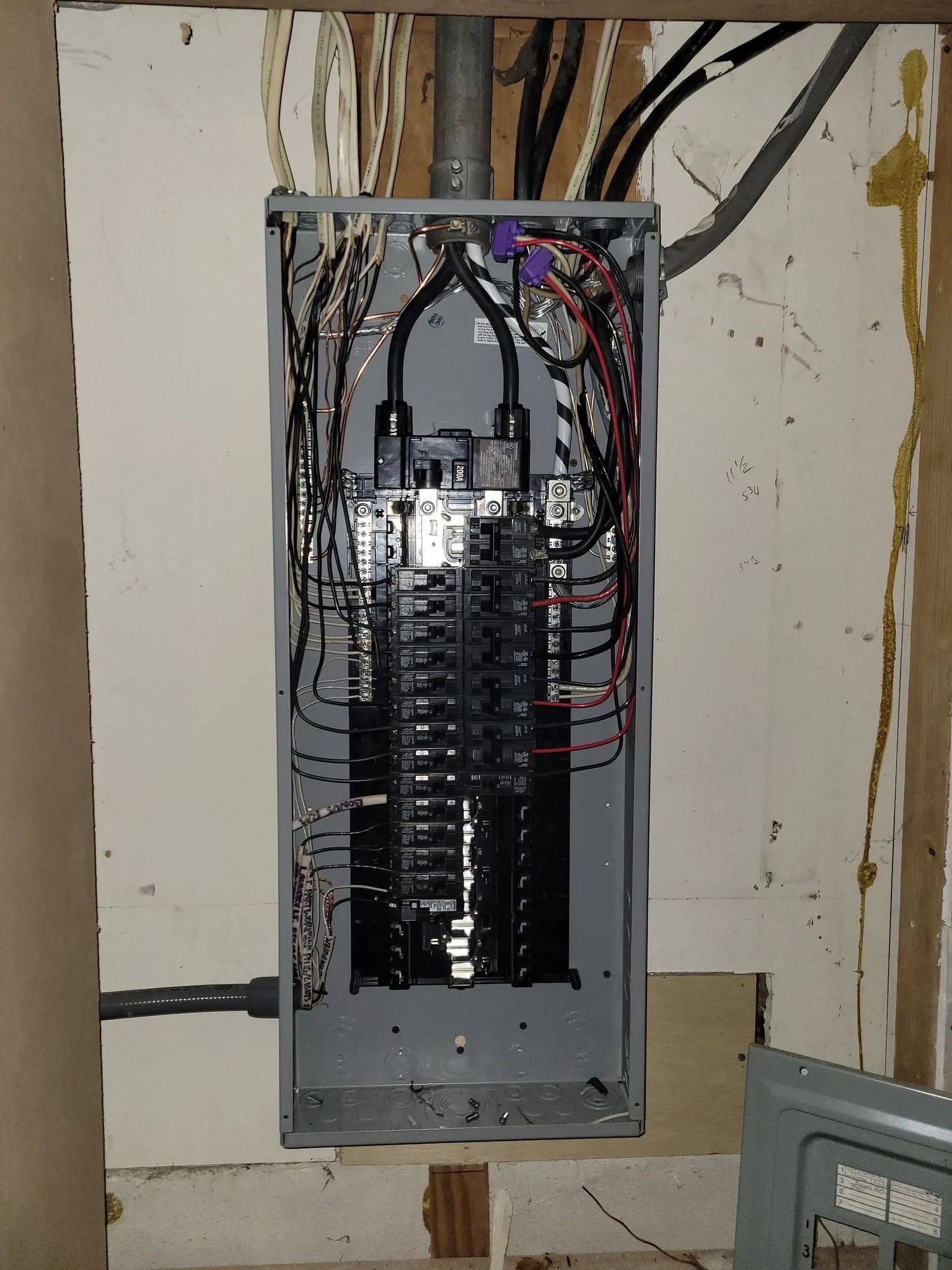
After shutting off the main power, we remove the cover and inspect nearby terminals for discoloration, melted insulation, pitting, or corrosion.
We Retighten, Repair, Or Replace
We tighten loose lugs correctly, replace heat-damaged breakers, and assess scorched bus bars. Severe damage may require replacing the entire panel.
We Test The Circuit Before We Leave
After repairs, we run the circuit under load again, confirming the unusual sound has stopped and temperatures have returned to normal.
When It Points to a Bigger Panel Problem
Sometimes the warm breaker is a symptom, not the whole story. In older Louisville area homes, we regularly find panels that were installed decades ago and have been asked to carry far more than they were designed for. Central air, electric dryers, ranges, hot tubs, and now EV chargers all pull heavy current through parts that have already aged.
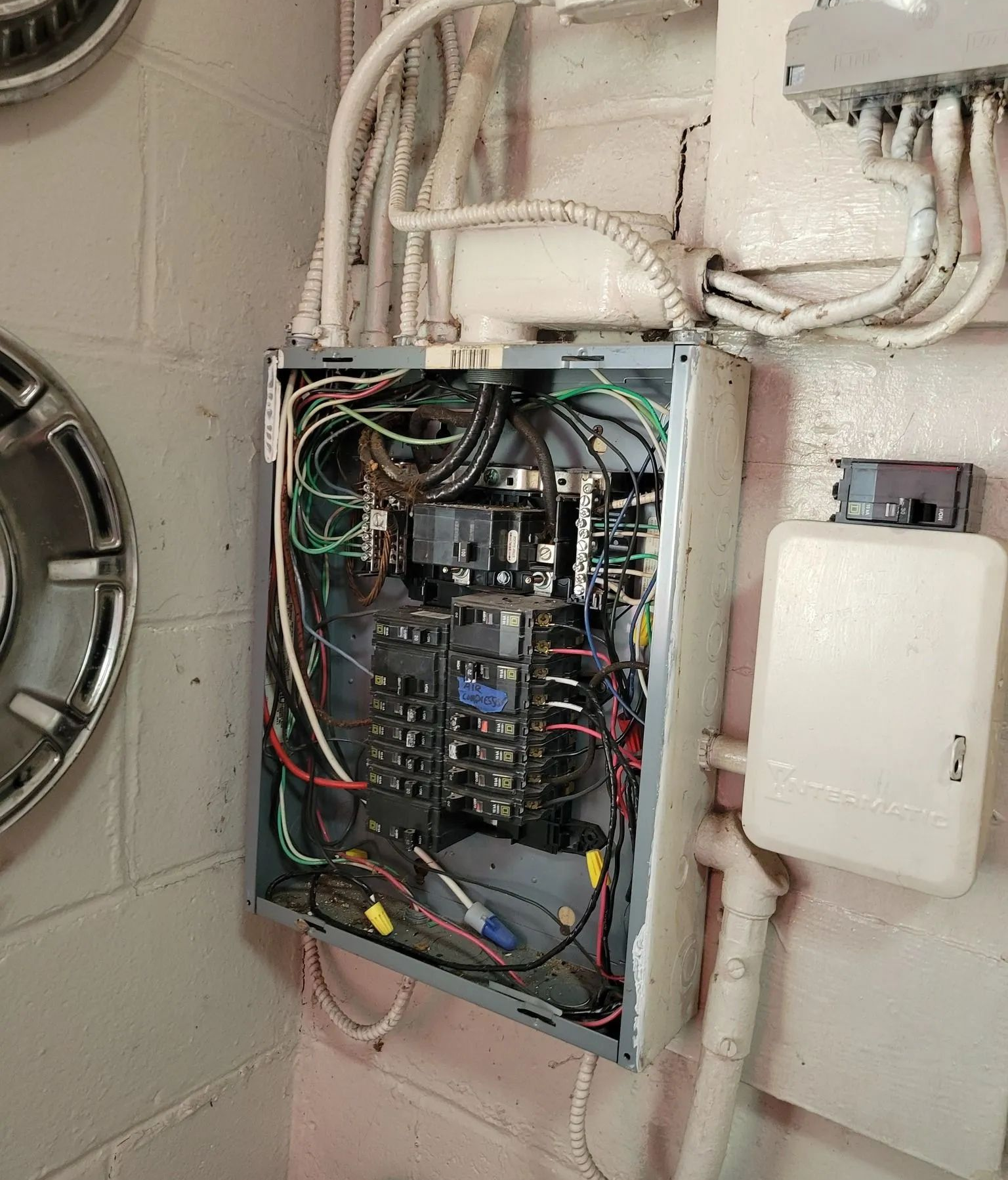
Some panel brands have a known history of breakers that don't trip reliably or connect poorly to the bus. If your panel is one of them, a hot breaker is a loud signal. A single repair may buy you time, but a panel with worn bus connections and many aged breakers keeps producing new problems. When we see widespread heat marks, brittle insulation, or loose breakers across the panel, we'll tell you plainly that the panel itself is the issue and explain why.
Warning: Never remove the inner cover of your panel, never tighten terminals yourself, and never use a spray or lubricant on a hot breaker. Parts of a panel remain live even with every breaker switched off, because the main lugs stay energized until the utility disconnect or the main breaker feeding the panel is opened. If you see scorch marks, melted plastic, or smell burning plastic, turn off the main only if you can reach it safely and dry, then leave the area and call for help.
How Often These Problems Show Up Around Kentucky Homes
We see this more in some situations than others.
Panels mounted in garages, basements, and outbuildings take the biggest swings in temperature and humidity. Homes with a storm history, a flood, or a roof leak that ran down a wall near the panel often have moisture damage. Homes that have added a big load, such as an EV charger or a hot tub, without updating the panel often show warm breakers on the new circuit. And homes where a past owner or handyman swapped breakers without torquing the terminals correctly can carry a loose connection for years before it announces itself with a buzz.
Frequently Asked Questions
Is it normal for a circuit breaker to feel a little warm?
A breaker under a steady heavy load can feel slightly warm. What matters is how it compares to its neighbors and whether it keeps getting hotter. Clearly warmer means have it checked.
Why does my breaker buzz only when certain appliances are running?
The buzz follows the current. When a large appliance starts drawing power, current through that breaker rises, and a loose connection reacts. A sound that appears only under load signals coming failure.
Can a warm breaker start a fire even if it never trips?
Yes. A breaker trips on too much current, not heat at its own terminal. A loose connection heats steadily while current stays normal, so the breaker never opens. Heat still deserves attention.
Should I turn the breaker off if it's buzzing?
If the buzz is loud, intermittent, or paired with heat or burning smell, switching it off and leaving it off is reasonable. Turn off the appliances first, and do not keep cycling it.
Is a hot breaker always the breaker's fault?
No. The breaker, the wire connection, the bus bar, and the load can each be the source. That is why we measure current and check temperatures before replacing any single part.
How long can I safely wait to have a buzzing breaker checked?
Treat it as a same day call. A buzz without heat or smell is less urgent, but the cause does not heal itself. Crackling, discoloration, smoke, or hot odor means do not wait.
Getting the Panel Back to Quiet and Cool
A panel should be boring. It should sit in the garage or basement, silent and cool to the touch, and let you forget it is there. When one breaker starts to buzz or run warm, your house is giving you a clear early warning, and the smartest thing to do with an early warning is act on it while the fix is still small. A tightened lug or a fresh breaker takes a short visit. A scorched bus bar takes far more.
You do not have to diagnose this yourself, and you should not try, because the real cause often hides behind a connection that looks fine from the front. Northrup Electrical Services LLC
has spent 24
years tracing hot spots and quieting panels for homeowners across Shepherdsville and Louisville, KY, learning how local humidity and thermal swings work connections loose over time. That experience is what turns a buzz you noticed by accident into a panel that is safe to forget about again.