
One Breaker Keeps Tripping but Only When the AC Runs? What's Overloaded
August 21, 2026
Trusted Louisville Electricians Who Diagnose Panels Accurately
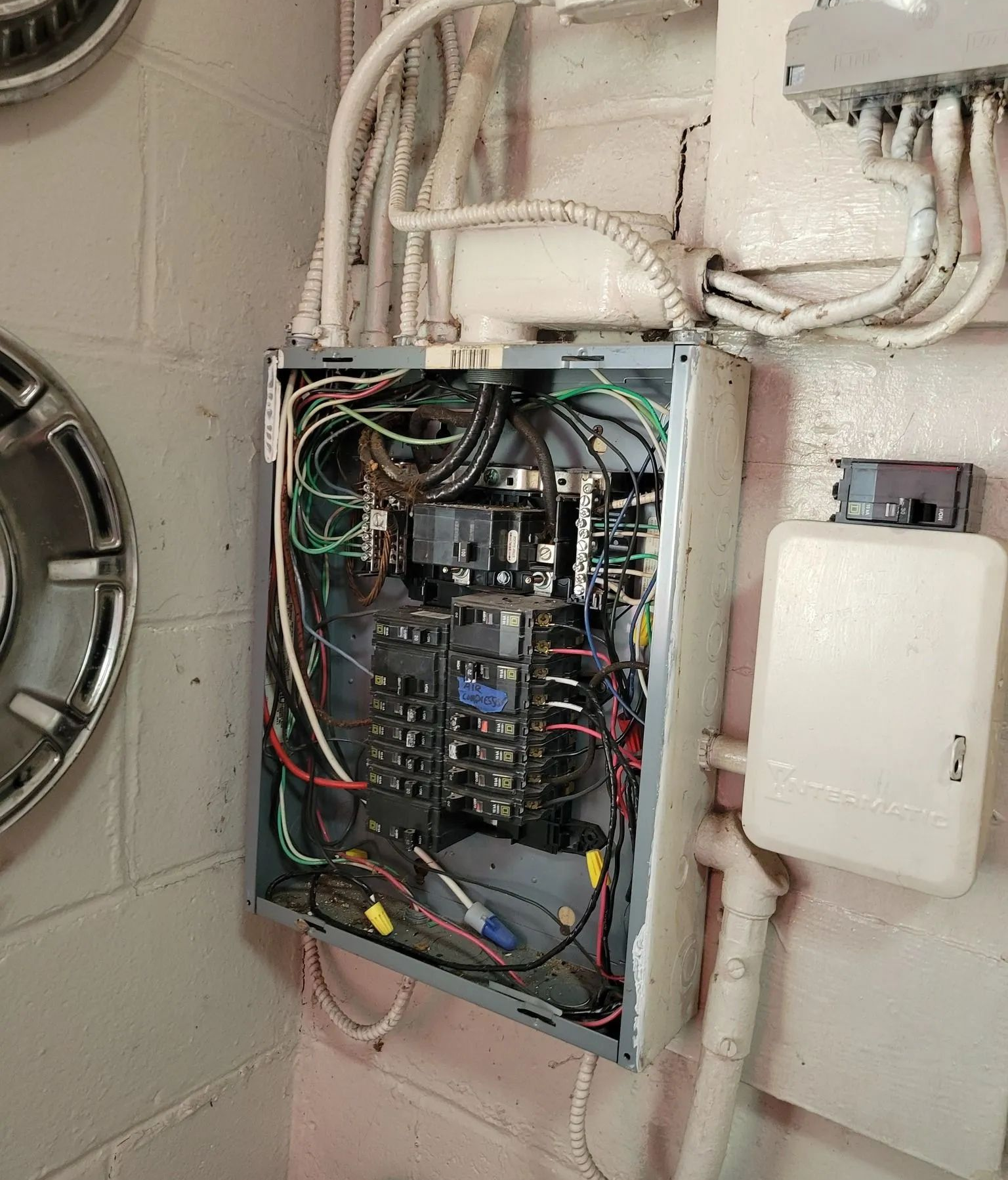
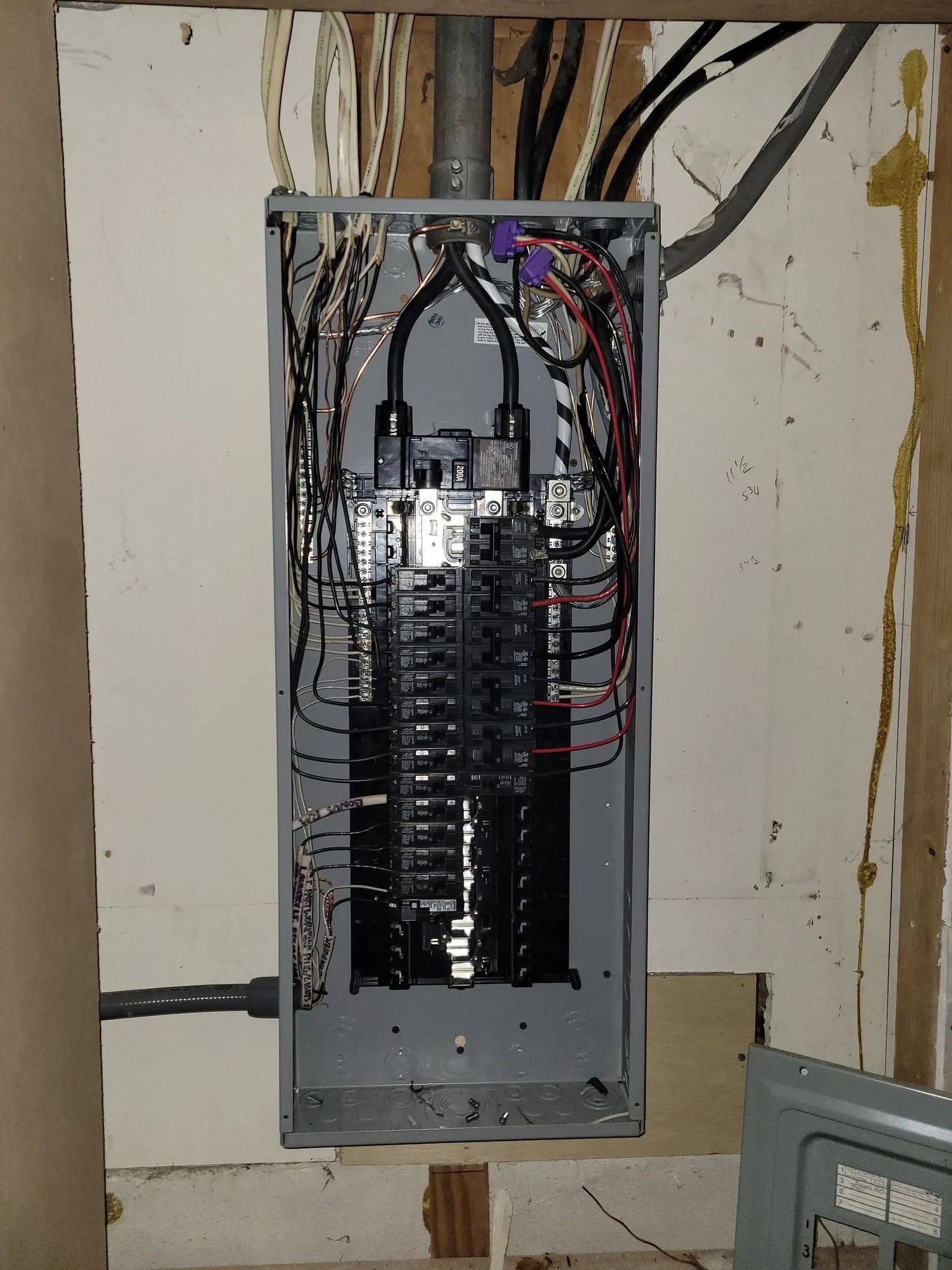
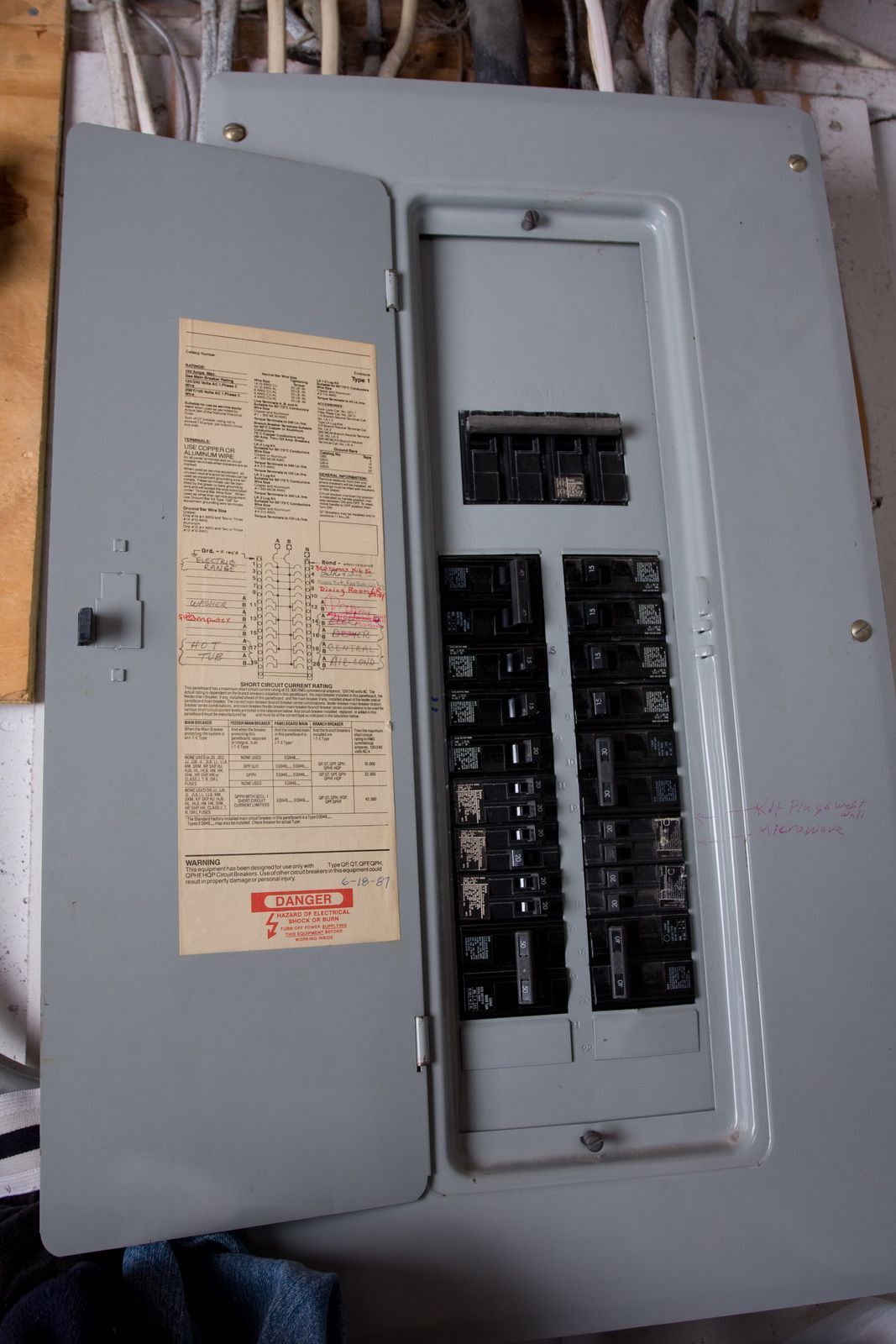
WARNING: If you open your panel cover and see any blackening, melted plastic, a burning odor, or hear a faint buzzing or crackling sound, close the cover and do not touch anything inside. These are signs of active arcing, which is a fire risk. This is not a situation for troubleshooting. Call a licensed electrician immediately.
| What You Are Seeing | Most Likely Cause | Severity | First Step |
|---|---|---|---|
| One breaker trips repeatedly, others fine | Worn breaker or overloaded circuit | Medium | Check the load on that circuit before replacing |
| Breaker trips and will not reset | Internal failure or short on the circuit | High | Test the circuit for shorts before installing new breaker |
| Warm panel cover or breaker face | Loose connections or overloaded bus | High | Stop using the circuit and call an electrician |
| Burning smell near the panel | Arcing or insulation damage | High | Do not open the panel, call immediately |
| Multiple breakers tripping | Panel overload or failing main breaker | High | Full panel inspection required |
| Breaker trips only under heavy load | Undersized circuit or aging breaker | Medium | Evaluate circuit capacity and load |
| Lights flicker on multiple circuits | Loose main connection or failing neutral | High | Requires electrician, not a DIY check |
| Panel is a known defective brand | Manufacturer defect in breaker design | High | Plan for full panel replacement |
You've noticed the pattern by now. The air conditioner kick, s on, the compressor hums for a few seconds, and then the lights in that part of the house go dark. Walk to the panel, flip the breaker back, and everything works again. Until the AC cycles on and trips it a second time. It's not random. That one circuit is being asked to carry more current than it can handle, and it happens every single time your compressor starts.
Quick Answer: When a breaker trips only while the AC is running, the AC circuit itself is drawing more current than the breaker allows, usually during the compressor's startup surge. The most common causes are a struggling capacitor, a worn contactor, restricted airflow forcing the compressor to work harder, or a breaker that's aged past its reliable amperage rating. Occasionally it's the compressor itself pulling excessive current, which is a bigger repair. Since this points to a specific circuit rather than a panel-wide overload, it's worth having an electrician check both the breaker and the AC's electrical draw before you assume either one needs replacing.
Why This Only Happens With the AC and Nothing Else
Every appliance in your home draws a certain number of amps while it's running. Compressors don't play by that rule. When an air conditioning compressor starts, it briefly pulls a spike of current, called locked rotor amperage, that can run four to six times higher than what it draws once it's up and running. That spike lasts a second or two under normal conditions. The breaker has a small built-in delay specifically so a normal startup surge doesn't trip the circuit.
Trouble starts when something stretches that surge out longer than it should last, or pushes the running current higher than normal. Because the surge is tied to the compressor cycling on, you'll only see the trip when the AC actually starts. Not when it's idle. Not when other appliances run. Not at random times of day. That narrow pattern tells an electrician something useful: the issue lives on that one circuit, not the panel as a whole.
What's Actually Overloading the Circuit
A handful of specific problems cause this exact pattern. Some live on the AC side of the circuit. Others sit at the breaker itself.
Restricted Airflow Makes the Compressor Work Harder
A clogged air filter, blocked outdoor unit, or closed vents all force the compressor to run under more strain than it was designed for. When airflow is restricted, the compressor has to push harder to move refrigerant and maintain pressure, which increases the current it draws well past its normal startup spike. This is one of the more common reasons a breaker trips on hot afternoons but not on mild days, since the system is already working near its limit before the airflow problem tips it over.
A Weak or Failing Capacitor
The start capacitor gives the compressor motor the extra jolt of energy it needs to get moving. Capacitors weaken over time, most of them do, and once that happens the compressor doesn't get a clean initial push. It strains to start instead, drawing current for longer than it should at a higher amperage. This pattern usually shows up gradually. The AC ran fine last summer, started tripping now and then this spring, and now trips consistently on the hottest days when the compressor works hardest.
A Worn or Pitted Contactor
The contactor is the switch that sends power to the compressor and fan each time the thermostat calls for cooling. Over thousands of cycles, the contacts inside it pit and corrode, creating resistance at the exact moment the compressor needs a clean surge of power. That resistance generates heat and pulls additional current through the circuit, which can be enough to push a marginal breaker over its rated limit.
A Compressor Drawing Excessive Current
This one's less common, but more serious. If the compressor windings are breaking down internally, or the compressor is starting to ground or short, it draws abnormal current the instant it's energized. The breaker usually trips almost immediately, sometimes within a second of the AC turning on, rather than after a few minutes of running. That points to the compressor itself needing service, not the breaker.
The Breaker Has Aged Past Its Reliable Rating
Breakers don't last forever. The internal mechanism that senses current and trips the switch weakens with age and heat cycling, especially on a circuit that regularly sees startup surges like an AC line does. A breaker that's absorbed years of compressor spikes can start tripping at currents it used to handle without any trouble, even when nothing on the AC side has changed. Not unusual in older Louisville-area homes where the panel and original breakers have been in service for two or three decades.
Tip: Try to notice whether the trip happens the instant the AC turns on or a few minutes into the cycle. An instant trip usually points to the compressor or a short in the circuit, while a delayed trip after several minutes of running more often points to airflow strain, a weak capacitor, or a breaker that's aging out. That detail alone can save diagnostic time when an electrician comes out to check it.
Why "It Trips Only on Hot Days" Is a Clue, Not a Coincidence
If your breaker holds fine in spring but trips reliably by mid-July, that seasonal pattern tells you something. Whatever is wrong with the circuit is getting pushed over the edge by extra load, not caused by a flat-out failure. On cooler days the compressor doesn't have to work as hard to hit the target temperature, so current draw stays under the breaker's threshold even with a weakening component in the mix. On hot, humid Kentucky afternoons the compressor runs longer and harder. That's exactly when a marginal capacitor, a strained motor, or an aging breaker gets tipped past its limit.
And the problem tends to get worse, not better. A capacitor or contactor causing occasional trips in June rarely fixes itself by August. Heat and humidity just make the underlying issue harder to ignore.
How an Electrician Narrows Down the Cause
Diagnosing this isn't a guessing game. An electrician checks a few specific things to figure out whether the problem sits on the breaker side or the AC side of the circuit.
Amp draw testing. Using a clamp meter on the AC circuit while the compressor starts shows exactly how much current is flowing and whether it's spiking beyond what the breaker and wiring are rated to carry.
Breaker inspection. Pulling the breaker to check for heat discoloration, a loose connection at the lug, or a mechanism that doesn't trip and reset cleanly tells you whether the breaker itself has degraded.
Connection points. Loose or corroded connections anywhere along the circuit, at the breaker, the disconnect box outside near the condenser, or the wire nuts at the unit, add resistance that shows up as extra heat and current draw exactly when the compressor demands the most power.
Coordination with the compressor's rated draw. The electrician compares what's actually being pulled against the AC unit's nameplate rating to see if the circuit is being asked to do more than it's built for, or if the compressor itself is the one pulling abnormal current.
That combination of tests usually points to one of two outcomes. Either the breaker needs replacing because it's no longer holding its rated amperage, or the AC unit has a mechanical or electrical issue that an HVAC technician needs to address before the breaker will stop tripping.
Warning: If the breaker trips instantly the moment the AC turns on, or if you notice a burning smell, scorch marks, or a warm panel cover near that breaker, stop resetting it and have it looked at right away. Repeatedly resetting a breaker that's tripping on a genuine short or a failing compressor puts real strain on the wiring and increases the risk of overheating at the panel.
When Replacing the Breaker Actually Solves It
Not every AC-related trip means the compressor needs work. If the breaker itself has weakened with age, tripping below its actual rated amperage even though the AC's current draw is normal, replacing that single breaker resolves the problem outright. It's a common fix in homes where the AC circuit has run on the original breaker since the panel went in. A fresh breaker rated correctly for the compressor's startup and running current restores the margin that's supposed to be there, without touching the AC unit at all.
But confirm which side of the equation is actually out of spec before replacing anything. Swap a breaker that's holding fine, when the real issue is a failing capacitor, and you'll be back at the panel again the next hot afternoon.
Frequently Asked Questions
Why does my breaker only trip when the AC runs and not with anything else plugged in?
The AC compressor creates a much larger startup surge than most household appliances. If the circuit or breaker is already weakened, that sudden electrical demand can expose the problem quickly.
Is it safe to keep resetting the breaker until I can get it checked?
Occasional resetting may be acceptable, but repeated trips need attention. If the breaker trips instantly, feels warm, smells unusual, or shows discoloration, stop resetting it and arrange an inspection.
Could this be the AC unit and not the breaker at all?
Yes. A weak capacitor, worn contactor, restricted airflow, or struggling compressor can increase electrical demand. Testing both the AC equipment and breaker helps identify which component is actually causing trouble.
Does this only happen in older homes?
No. Older homes experience it more frequently because breakers and AC components deteriorate with age, but newer systems can also trip when capacitors, contactors, compressors, wiring, or connections develop problems.
Will a bigger breaker fix the tripping?
No. Installing a larger breaker without confirming wire and equipment ratings can create overheating risks. The underlying cause of excessive current should be diagnosed and corrected rather than increasing breaker capacity.
Getting Your AC Circuit Running Reliably Again
A breaker that repeatedly trips when the AC starts is a sign that something in the circuit deserves attention, whether that means an aging breaker, a loose electrical connection, or excessive current draw from the cooling equipment. With 24+ years of experience, Northrup Electrical Services LLC understands how these problems develop in homes throughout Shepherdsville and Louisville, Kentucky, especially when prolonged summer heat places additional demand on air conditioning systems and their dedicated electrical circuits.
Finding the actual cause matters more than simply replacing the first component that appears suspicious. Testing the breaker, connections, wiring, and AC current draw helps separate an electrical problem from an equipment issue and prevents unnecessary repairs. Once the source is identified, the appropriate repair can restore reliable operation while keeping the circuit properly protected. Addressing recurring trips early also helps prevent additional heat and stress from developing at connections, wiring, or other components as the system continues operating.