
Breaker Trips the Moment You Reset It? What That Instant Trip Means
July 11, 2026
Trusted Louisville Electricians Who Diagnose Panels Accurately
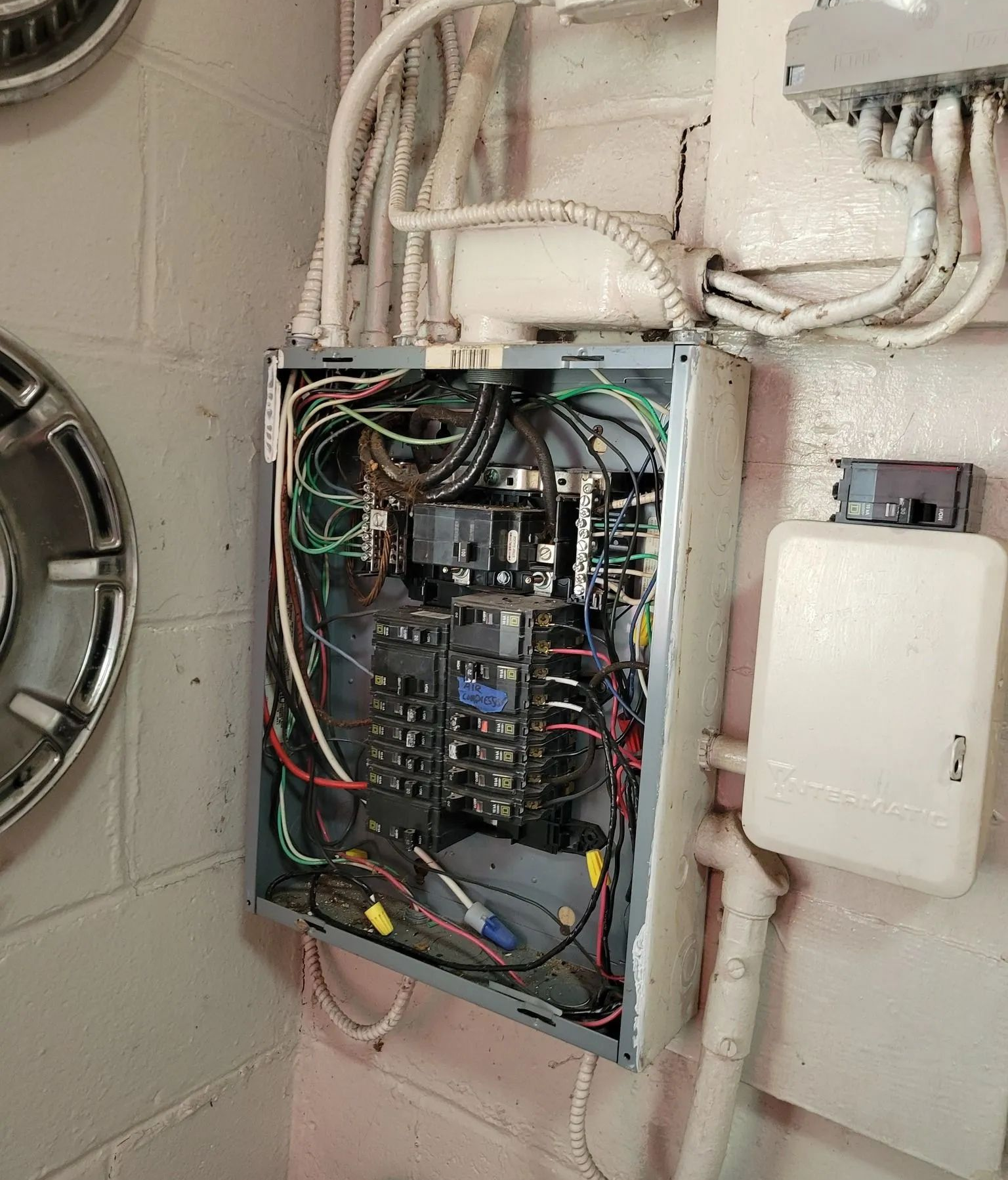
WARNING: If you open your panel cover and see any blackening, melted plastic, a burning odor, or hear a faint buzzing or crackling sound, close the cover and do not touch anything inside. These are signs of active arcing, which is a fire risk. This is not a situation for troubleshooting. Call a licensed electrician immediately.
| What You Are Seeing | Most Likely Cause | Severity | First Step |
|---|---|---|---|
| One breaker trips repeatedly, others fine | Worn breaker or overloaded circuit | Medium | Check the load on that circuit before replacing |
| Breaker trips and will not reset | Internal failure or short on the circuit | High | Test the circuit for shorts before installing new breaker |
| Warm panel cover or breaker face | Loose connections or overloaded bus | High | Stop using the circuit and call an electrician |
| Burning smell near the panel | Arcing or insulation damage | High | Do not open the panel, call immediately |
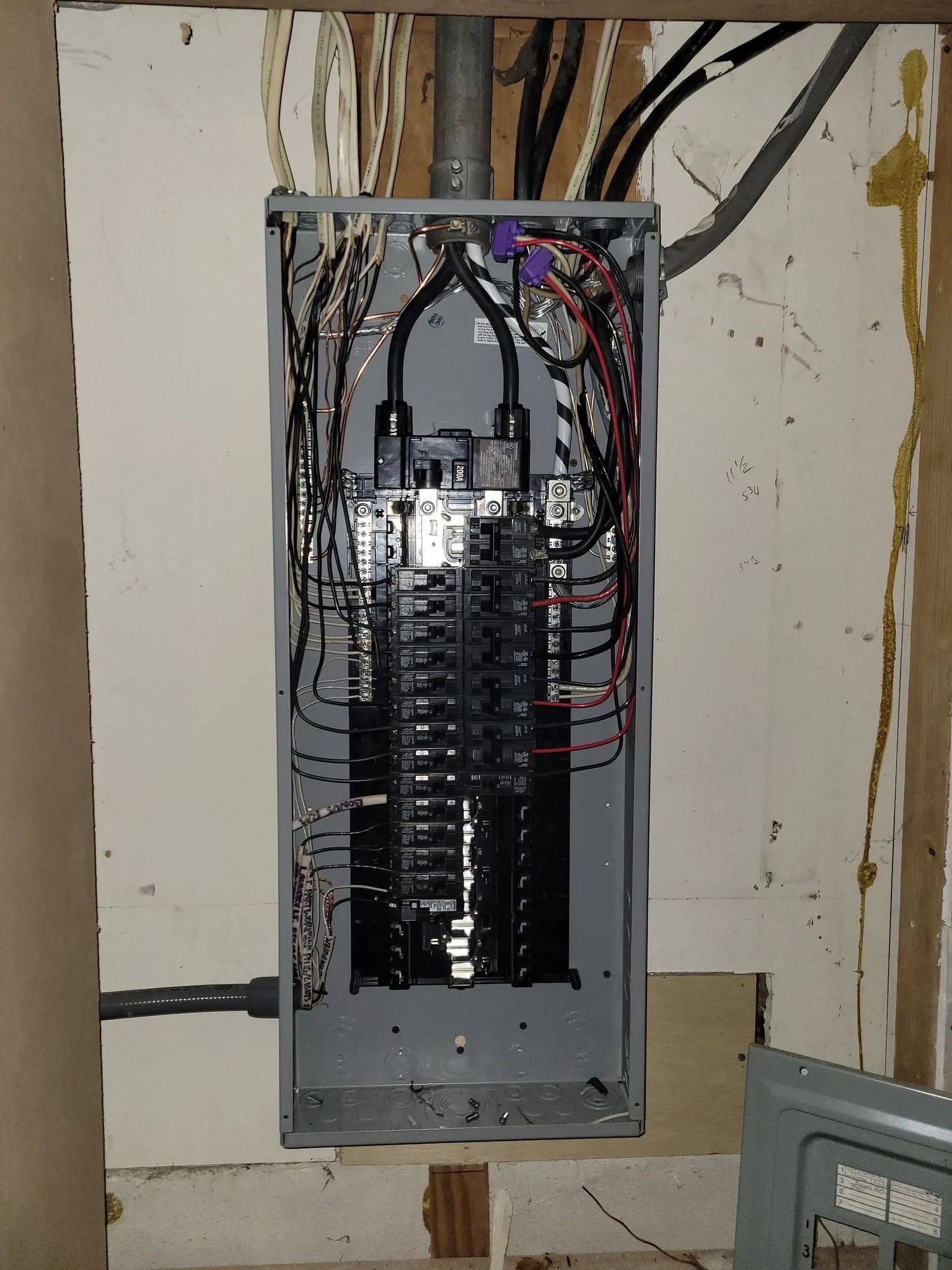
| Multiple breakers tripping | Panel overload or failing main breaker | High | Full panel inspection required |
| Breaker trips only under heavy load | Undersized circuit or aging breaker | Medium | Evaluate circuit capacity and load |
| Lights flicker on multiple circuits | Loose main connection or failing neutral | High | Requires electrician, not a DIY check |
| Panel is a known defective brand | Manufacturer defect in breaker design | High | Plan for full panel replacement |
Quick Answer: When a breaker trips the instant you reset it, that speed is the clue. A slow, delayed trip usually means an overloaded circuit, but a breaker that snaps off immediately, especially with nothing plugged in, almost always points to a short circuit or a ground fault somewhere on the line. A hot wire is touching a neutral, a ground, or a metal surface, and the breaker is cutting power in a fraction of a second to stop it. That is a fault to find, not a switch to keep flipping.
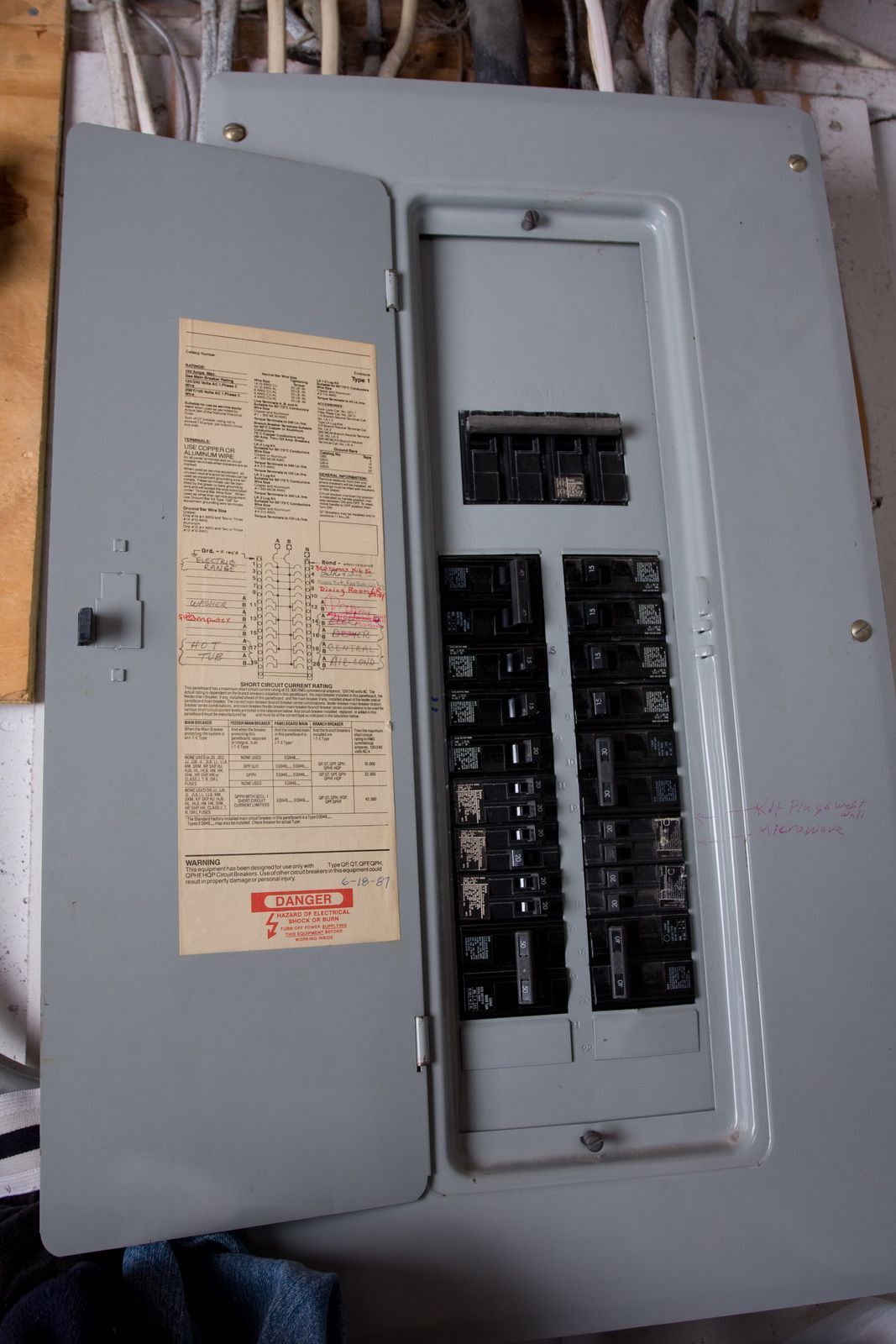
You walk down to the panel, spot the one breaker sitting out of line with the rest, and push it firmly off and back on. Before your hand even leaves the panel, it snaps off again. You try once more, a little harder this time, and it does the exact same thing. Maybe half your living room is dark, maybe the whole kitchen is out, and the breaker simply refuses to stay on for even a second.
That instant trip is not a stubborn breaker being difficult. It is a breaker doing its job faster than you can see. When a breaker resets and holds for a while before tripping, that is one kind of problem. When it trips the moment power tries to flow, that is a different and more urgent kind of problem. The timing tells an experienced electrician a great deal, and it changes what you should and should not do next. Here is what is actually happening behind that panel door.
Why the Speed of the Trip Is the Biggest Clue
A standard breaker protects a circuit in two different ways, and each one reacts on its own timeline. Understanding those two mechanisms explains almost everything about a trip.
The slow trip: an overload
An overloaded circuit causes the breaker's thermal protection to activate gradually. As electrical demand increases, internal components heat up until the breaker disconnects power, usually after several seconds or minutes of excessive current draw.
The instant trip: a short or ground fault
An immediate breaker trip signals a short circuit or ground fault. A sudden surge of electrical current activates the breaker's magnetic protection almost instantly, cutting power within moments to prevent overheating, equipment damage, and potential electrical fires.
So when the breaker will not hold for even a second, the current draw is not creeping up past the limit. It is slamming into it. Something on that circuit has created a path electricity was never meant to take.
The Single Fastest Test: Unplug Everything
Before assuming the worst, an experienced electrician narrows the problem down with one simple move, and you can safely do the first half of it yourself.
Turn the tripped breaker fully off. Then go to every outlet, light, and switch on that dead circuit and unplug or turn off everything you can, lamps, chargers, the TV, the coffee maker, anything drawing power. With the circuit stripped bare, flip the breaker back on.
Trips with nothing connected
If the breaker trips immediately even when every device is unplugged, the fault likely exists in the home's wiring, a permanently connected electrical fixture, or the breaker itself. Professional troubleshooting is needed to safely identify and repair the problem.
Holds until you plug something in
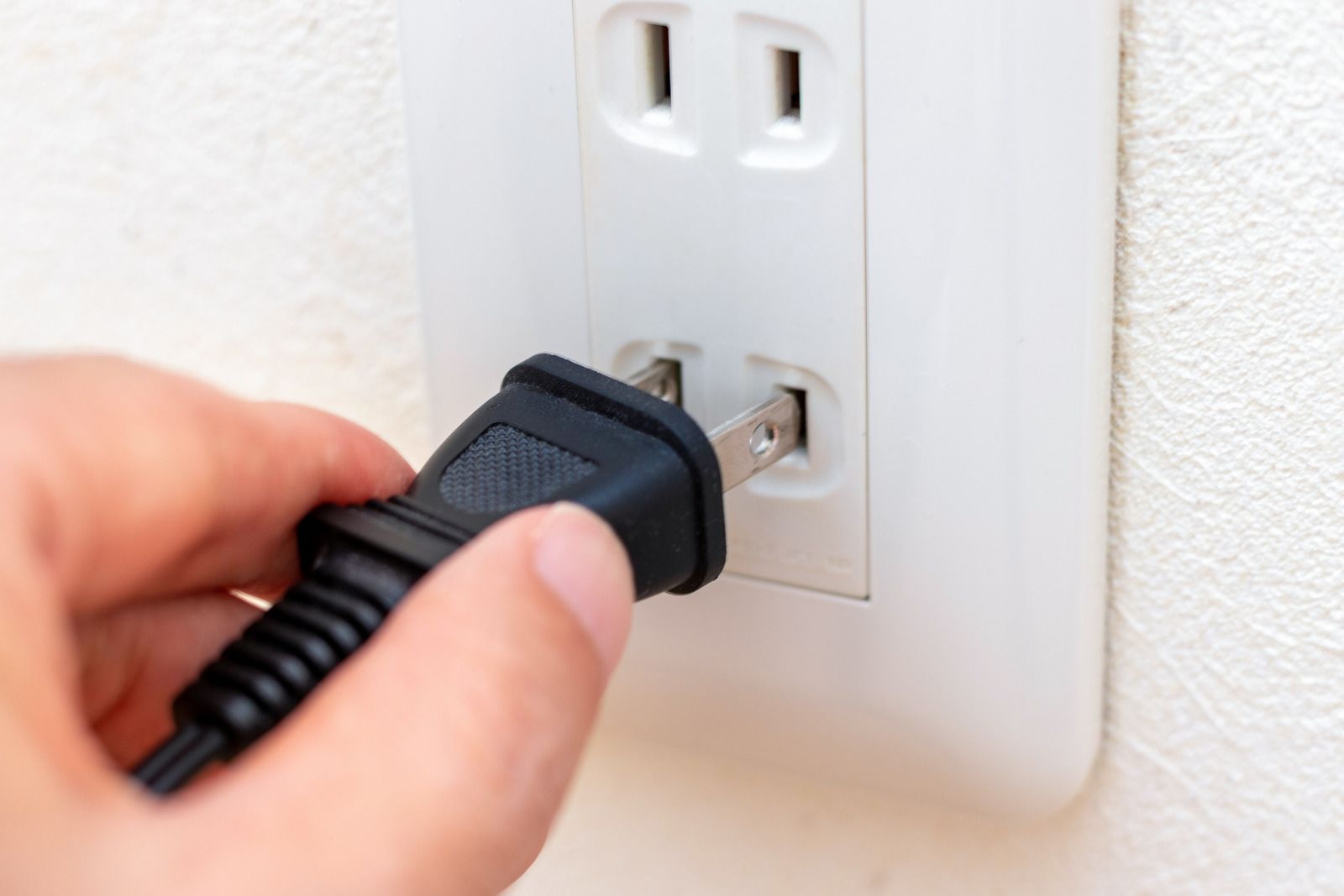
If the breaker stays on until a specific device is plugged in, that appliance, extension cord, or power strip is likely causing the fault. Plug items in individually to identify the problem, then stop using the defective equipment.
This process of elimination is exactly how a diagnosis starts, and it often points straight at the answer within a few minutes.
What Actually Creates an Instant Trip
A short circuit and a ground fault are close cousins, and both produce the same immediate snap. What they share is a hot wire touching something it should not.
A short circuit
A short circuit occurs when a hot wire directly contacts a neutral wire, allowing electricity to bypass the intended load. This creates an immediate surge of current with very little resistance, causing the breaker's magnetic protection to trip instantly and prevent dangerous overheating, wiring damage, or potential electrical fires.
A ground fault
A ground fault happens when a hot conductor touches a ground wire, metal electrical box, or another grounded surface. Electricity follows an unintended path, creating an unsafe condition that causes the breaker to trip immediately. Moisture, damaged insulation, and loose wiring are common causes of ground faults.
Common everyday causes
Many short circuits and ground faults begin with ordinary household problems. Nails through hidden cables, crushed extension cords, rodent-chewed wiring, loose outlet terminals, or brittle insulation in older homes can expose conductors, allowing them to touch unexpectedly and create hazardous electrical faults that require professional repair.
A genuinely faulty breaker
Although circuit breakers can fail internally, they are one of the least common causes of immediate tripping. Electricians first investigate wiring defects, damaged connections, and ground faults because these issues occur more frequently and pose significantly greater safety risks than a defective breaker alone.
Tip: Note the exact moment the breaker trips and whether anything was running when it started. An instant trip that began right after you hung a picture, drove a screw, or moved heavy furniture points toward pierced or pinched wiring in that spot. Handing that detail to your electrician can turn a long hunt into a short one.
Why Moisture and Storm Season Make It Worse
Instant trips do not spread evenly across the calendar, and the reason has a lot to do with weather and the age of a home's wiring.
Water is one of the most reliable ways to create a ground fault. When humidity climbs or storm-driven moisture works its way into an outdoor outlet, a basement box, or a poorly sealed fixture, it can bridge a hot conductor to ground and trip the breaker the instant power tries to flow. Kentucky's heavy storm season and the region's older housing stock are a common combination behind these calls. A box that stayed dry for years takes on water during a hard summer storm, and suddenly a circuit that always worked will not hold at all.
Ground fault protection is built to catch exactly this. A ground fault breaker or outlet constantly compares the current leaving on the hot wire with the current returning on the neutral. When some of that current leaks off onto a ground path, even a tiny amount, the device sees the mismatch and trips at once. That is why electricians rely on this protection in kitchens, bathrooms, garages, basements, and outdoor locations, the damp and wet areas where a stray path to ground is most likely to form. If one of those devices is the thing tripping the instant you reset it, it is very likely doing precisely what it was designed to do.
Why You Should Not Keep Resetting It
It is a natural reflex to keep flipping the switch, hoping this time it holds. With an instant trip, that reflex works against you.
Every time you reset a breaker onto a genuine short or ground fault, you force a massive surge of current back through the faulted wiring for that split second before the breaker cuts it. That surge generates intense heat at the fault point. If the contact is not solid metal to metal but a near miss, it can draw an electric arc, a burst of superheated plasma hot enough to scorch metal, melt insulation, and ignite whatever is nearby. Repeated resets stack up that heat and arcing again and again at the same weak spot.
The breaker is not the thing failing you. It is the thing protecting you, and it is asking to be left off until the fault is found. An instant, repeating trip is one of the clearer signals a home's wiring can send that something needs hands-on attention now, not later.
Warning: Never swap in a higher-amp breaker to make an instant trip stop. The breaker is matched to the wire behind your walls, and a larger one lets more current flow than that wire can safely carry, quietly removing the protection while the short or ground fault stays live underneath. That is how a nuisance trip becomes a wall fire. If a breaker keeps tripping, the answer is always to find the fault, never to defeat the safety device.
Frequently Asked Questions
What does it mean when a breaker trips immediately every time I reset it?
An instant breaker trip usually indicates a short circuit or ground fault. Electricity immediately follows an unsafe path, causing the breaker to disconnect power instantly to protect your wiring from overheating and potential electrical hazards.
How is an instant trip different from a breaker that trips after a few minutes?
An immediate trip typically signals a short circuit or ground fault. A breaker that trips after several minutes usually indicates an overloaded circuit, where excessive electrical demand gradually causes the breaker to shut off power.
Is it safe to keep flipping the breaker back on?
No. Repeatedly resetting a breaker with an active fault forces electricity through damaged wiring, increasing heat and the risk of electrical arcing, insulation damage, or fire. Leave the breaker off until the problem is diagnosed.
The breaker still trips even with everything unplugged. What now?
If the breaker trips with every device unplugged, the fault likely exists in the home's wiring, a hardwired fixture, or the breaker itself. Professional electrical troubleshooting is needed to safely locate and repair the issue.
Can a storm or humidity cause a breaker to trip instantly?
Yes. Moisture can create ground faults by allowing electricity to reach grounded surfaces. Outdoor outlets, garages, basements, and damp electrical boxes are especially vulnerable during storms or periods of high humidity.
Could the breaker itself be the problem instead of the wiring?
Yes, but it is less common. While breakers can fail internally, damaged wiring, loose connections, or ground faults are more frequent causes. Electricians typically eliminate these higher-risk issues before replacing the breaker itself.
Reading the Signal Behind the Switch
A breaker that trips the moment you reset it is not being temperamental. It is reacting at magnetic speed to a hot wire touching something it never should, a short or a ground fault that is sending current down a path with almost nothing to slow it. The instant, repeating snap is the safety system working exactly as designed, and the right response is to stop resetting, leave the circuit off, and find out where the fault lives. That is careful, methodical work, tracing exactly these faults in homes and businesses across the Louisville area, from moisture-soaked outdoor boxes to pierced cables buried in older walls.
Schedule electrical troubleshooting for an
instant-tripping breaker — An instant trip is your wiring signaling a short circuit or ground fault, and every reset sends current back through a problem that can generate hidden heat. Northrup Electrical Services LLC isolates the affected circuit, tests the wiring, and systematically traces the electrical run to identify whether the issue is damaged wiring, a loose or burned connection, a moisture-damaged fixture, or a failed breaker before making the necessary repairs. Backed by
24+ years of experience serving homeowners and businesses throughout Shepherdsville and Louisville, Kentucky, our team provides accurate diagnostics and dependable electrical solutions. Contact us today to schedule a diagnostic visit and restore your circuit safely and reliably.