
Is Your Shepherdsville Home Still Running on Aluminum or Knob-and-Tube Wiring? How to Tell Without Opening a Wall
May 13, 2026
Many homes in Shepherdsville were built during periods when electrical standards differed significantly from what modern households demand today. Systems like aluminum wiring and knob-and-tube wiring were once considered safe and efficient, but they now pose potential safety risks and performance limitations. As homeowners continue to add high-powered appliances, smart technologies, and energy-intensive systems, older wiring may struggle to keep up. Understanding whether a home still relies on outdated electrical infrastructure is essential for maintaining safety, efficiency, and long-term property value.
Fortunately, identifying these older wiring types does not always require cutting into walls or undertaking invasive inspections. With the right knowledge and a careful eye, homeowners can spot warning signs and indicators from accessible areas such as basements, attics, and electrical panels. Recognizing these clues early allows for proactive decision-making, helping to prevent hazards like electrical fires, overloaded circuits, and inconsistent power delivery. This guide explains how to determine if a home still uses aluminum or knob-and-tube wiring without opening walls, offering practical insights and expert-backed strategies to help homeowners stay informed and protected.
Understanding Aluminum and Knob-and-Tube Wiring Systems
What Is Aluminum Wiring?
Aluminum wiring became popular in residential construction during the 1960s and early 1970s due to rising copper costs. While initially viewed as a cost-effective alternative, aluminum wiring has since been linked to several safety concerns. Unlike copper, aluminum expands and contracts more with temperature changes, which can lead to loose connections over time. These loose connections may cause overheating, arcing, and, in severe cases, electrical fires.
Homes with aluminum wiring often experience issues such as flickering lights, warm outlets, or frequently tripped breakers. While not inherently unsafe when properly maintained, aluminum systems require specialized connectors and regular inspections to ensure continued safety.
What Is Knob-and-Tube Wiring?
Knob-and-tube wiring dates back to the late 19th and early 20th centuries. It consists of single-insulated copper wires run through ceramic knobs and tubes to keep them separated from framing materials. This system lacks a grounding conductor, which is a critical safety feature in modern electrical systems.
Knob-and-tube wiring can still function, but it is not designed to handle the electrical loads of today’s homes. Insulation around the wires may also degrade over time, increasing the risk of shorts and fire hazards. Insurance companies often flag this type of wiring as high risk, making upgrades a practical necessity for many homeowners.
Visible Clues Without Opening Walls
Inspecting the Electrical Panel
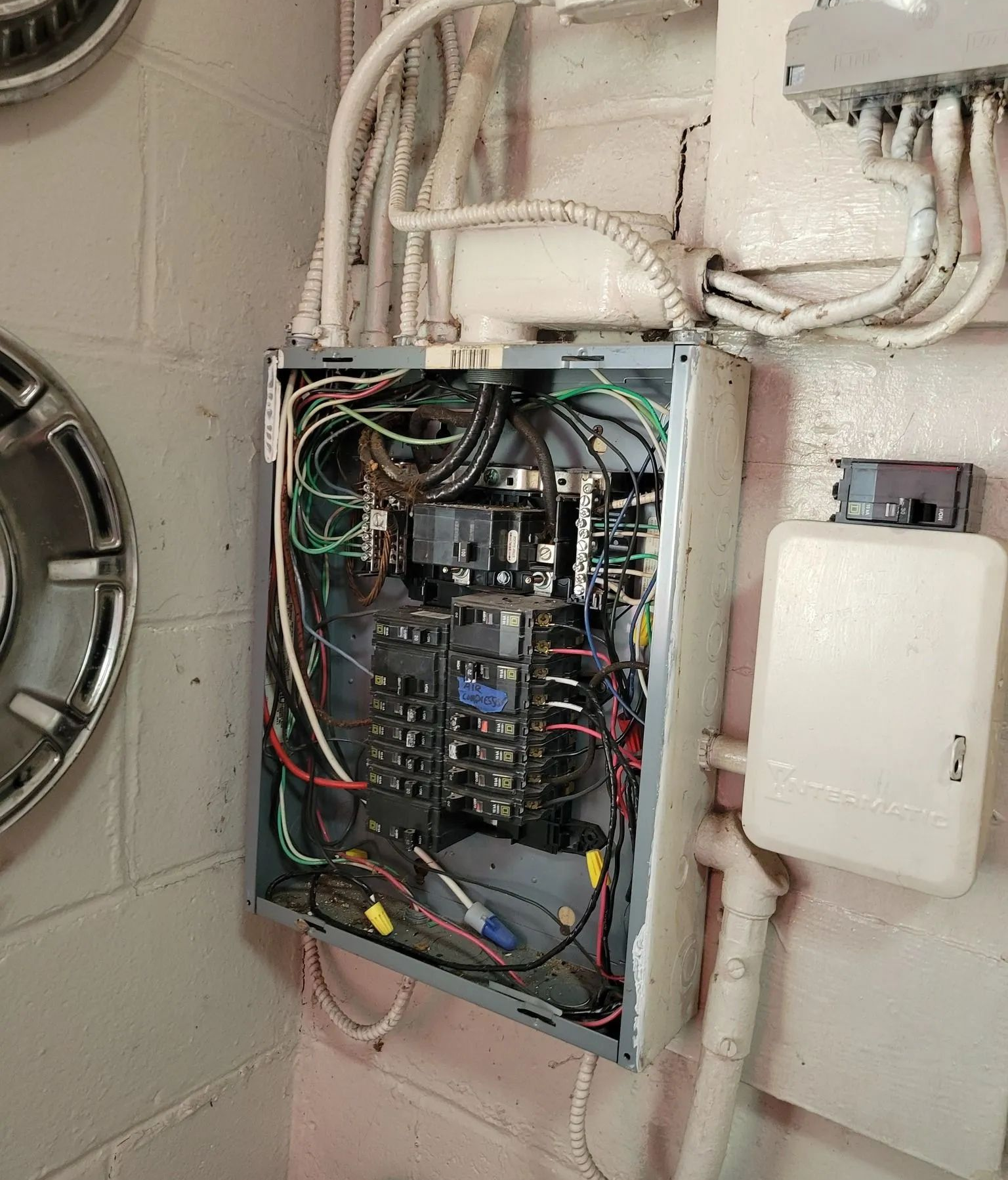
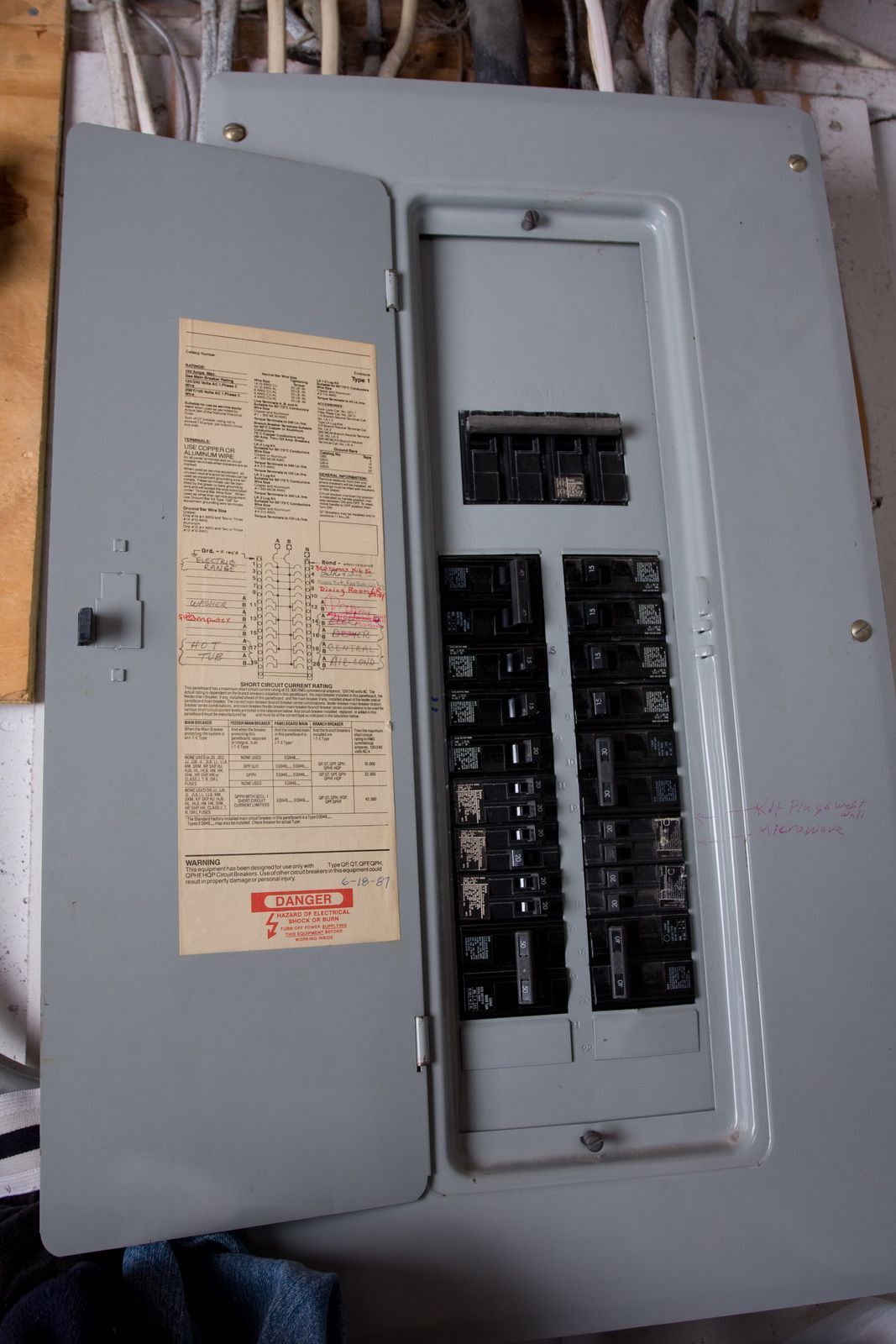
The electrical panel is one of the most accessible and informative places to begin. Labels inside the panel or on breakers may indicate the type of wiring used. Aluminum wiring is often marked with “AL” or “ALUM,” while copper is labeled “CU.”
Additionally, the appearance of the wires can provide clues. Aluminum wires have a dull, silver color, while copper wires have a reddish tone. Carefully observing these differences can help determine the wiring type without disturbing wall structures.
Checking Exposed Wiring in Basements and Attics
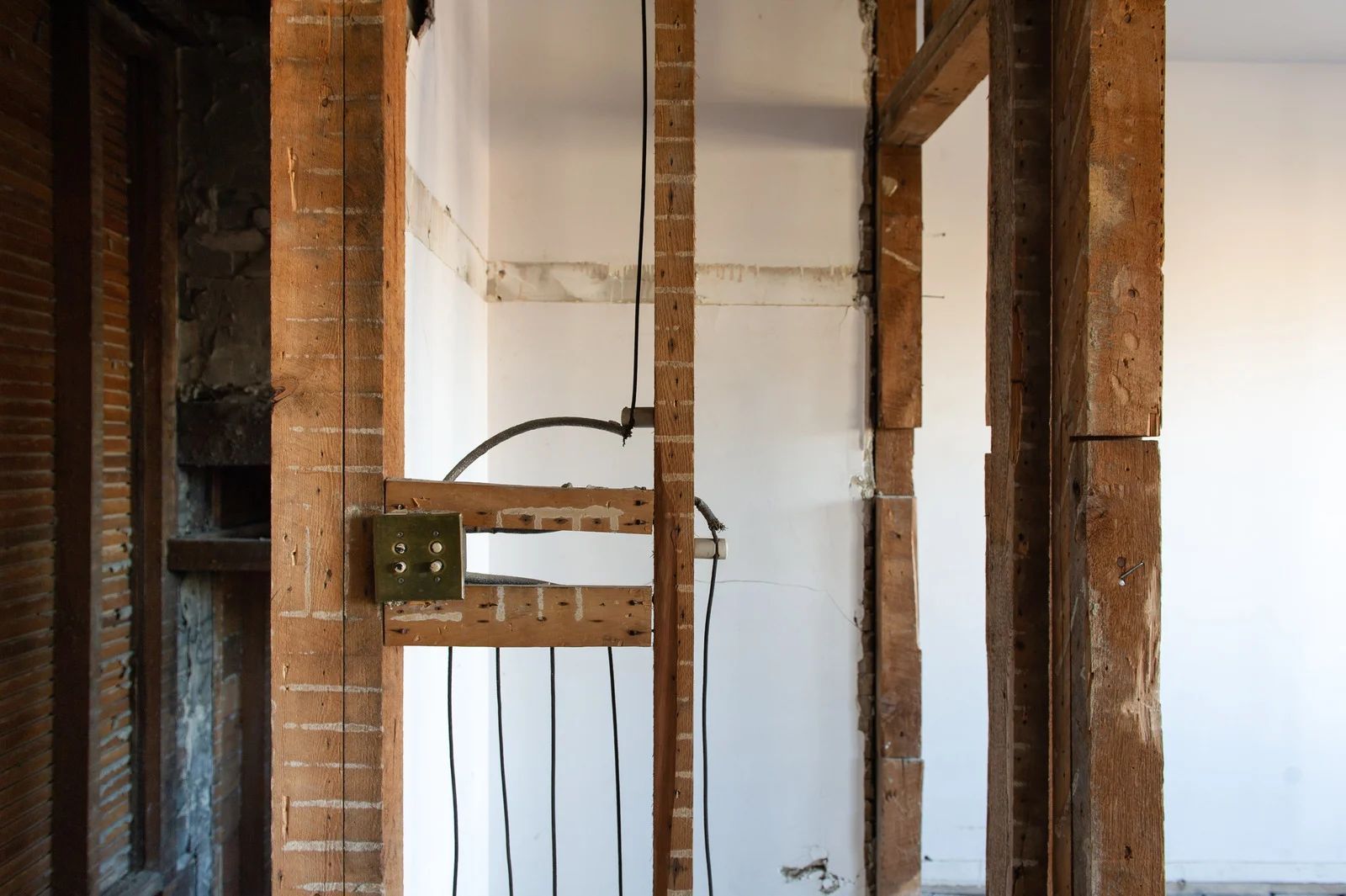
Basements and attics often contain exposed sections of wiring that can reveal valuable information. Knob-and-tube wiring is particularly easy to identify due to its distinctive ceramic components. Look for white or off-white porcelain knobs attached to wooden beams, with wires running through them. Ceramic tubes may also be visible where wires pass through joists.
Aluminum wiring, on the other hand, may appear as modern cable but with silver-colored conductors. These exposed areas provide a non-invasive way to assess the system’s age and composition.
Examining Outlets and Switches
Removing the cover plates from outlets and switches—without touching internal wiring—can offer additional insight. The wiring visible at the edges may indicate whether aluminum or copper conductors are present.
Signs such as discoloration, melted insulation, or a burnt smell around outlets may suggest overheating, which is more common with aging aluminum wiring. While this method requires caution, it can be done safely without opening walls or causing damage.
Warning Signs That Suggest Outdated Wiring
Electrical Performance Issues
One of the most common indicators of outdated wiring is inconsistent electrical performance. Lights that flicker or dim when appliances are in use may signal that the wiring cannot handle current demand. This is especially true in homes with knob-and-tube systems, which were never designed for modern electrical loads.
Frequent circuit breaker trips or blown fuses can also point to underlying wiring issues. While these problems can have multiple causes, outdated wiring is often a contributing factor.
Heat and Odor Indicators
Unusual heat around outlets, switches, or electrical panels should never be ignored. Aluminum wiring, in particular, is prone to overheating at connection points. A persistent burning smell or visible scorch marks are strong warning signs that require immediate attention.
These symptoms often occur before more serious hazards develop, making early detection critical. Identifying these issues without opening walls allows for quicker intervention and safer outcomes.
Age of the Property
The construction date of a home can provide valuable context. Homes built before the 1940s are more likely to contain knob-and-tube wiring, while those constructed between the mid-1960s and early 1970s may have aluminum wiring.
While renovations and upgrades may have replaced older systems, many homes still retain partial or hidden sections of outdated wiring. Understanding the home’s history helps narrow down the likelihood of these systems being present.
Practical Steps for Safe Identification
Use Non-Invasive Tools
Modern technology offers several tools that help identify wiring without opening walls. Circuit tracers, voltage testers, and thermal imaging devices can provide insights into electrical performance and potential problem areas.
Thermal imaging, for example, can detect hotspots behind walls, indicating possible overheating or loose connections. While these tools may require professional assistance, they offer a safe and effective way to evaluate wiring conditions.
Review Inspection Reports and Documentation
Home inspection reports, renovation records, and electrical permits often contain details about the wiring system. Reviewing these documents can reveal whether upgrades have been made or if older systems remain in place.
If the home has undergone partial renovations, it is possible that newer wiring was added alongside existing systems. This mixed wiring scenario is common and can create unique challenges that require careful evaluation.
Schedule a Professional Electrical Assessment
While visual inspections and basic checks are helpful, a licensed electrician can provide a more comprehensive evaluation. Professionals use specialized equipment and expertise to assess wiring conditions without causing unnecessary damage.
An electrical assessment typically includes checking connections, evaluating load capacity, and identifying potential hazards. This step ensures that any findings are accurate and that appropriate solutions can be recommended.
Risks of Ignoring Outdated Wiring
- Risks of Ignoring Outdated Wiring :-
Outdated wiring systems are a leading cause of residential electrical fires. Loose connections, degraded insulation, and lack of grounding increase the likelihood of dangerous conditions. Aluminum wiring, in particular, has been associated with a higher risk of overheating at connection points.
Knob-and-tube wiring, while durable in its time, lacks the safety features required for modern living. The absence of grounding and the potential for insulation deterioration make it less reliable in today’s homes.
- Insurance and Property Value Implications :-
Many insurance providers consider aluminum and knob-and-tube wiring to be high-risk features. This can result in higher premiums, limited coverage, or even denial of policies. Addressing outdated wiring can improve insurability and reduce long-term costs.
From a real estate perspective, outdated wiring can impact property value and buyer confidence. Prospective buyers often request electrical upgrades as a condition of purchase, making early identification and remediation a strategic advantage.
- Limitations for Modern Electrical Needs :-
Today’s homes rely on a wide range of electrical devices, from HVAC systems to home offices and smart technologies. Older wiring systems were not designed to handle these demands, leading to performance issues and potential system overloads.
Upgrading wiring not only improves safety but also enhances the home’s ability to support modern lifestyles. This includes better energy efficiency, more reliable power distribution, and compatibility with future technologies.
Best Practices for Moving Forward
Prioritize Safety and Compliance
Once outdated wiring is identified, prioritizing safety should be the next step. This may involve repairs, partial upgrades, or complete rewiring, depending on the condition of the system. Ensuring compliance with current electrical codes is essential for long-term reliability and safety.
Plan for Strategic Upgrades
Electrical upgrades can be approached in phases to manage costs and minimize disruption. For example, replacing high-risk areas first—such as kitchens and bathrooms—can provide immediate safety benefits while planning for broader improvements.
Work with Experienced Professionals
Electrical work requires precision, expertise, and adherence to safety standards. Partnering with experienced professionals ensures that upgrades are performed correctly and efficiently. Proper installation and testing are critical to achieving the desired outcomes and avoiding future issues.
Trusted Electrical Experts Safeguarding Your Home
Identifying whether a home still uses aluminum or knob-and-tube wiring is a critical step in maintaining electrical safety and performance. By examining accessible areas such as panels, basements, and outlets, homeowners can gather valuable clues without opening walls. Warning signs like flickering lights, overheating components, and the age of the property further support accurate identification. Addressing outdated wiring is not just about compliance—it directly impacts safety, insurance eligibility, and the ability to support modern electrical demands. Proactive evaluation and timely upgrades help prevent hazards while improving overall efficiency and reliability. Making informed decisions about electrical systems ensures that homes remain safe, functional, and prepared for future needs. Taking action today reduces risks and creates a stronger foundation for long-term comfort and peace of mind.
For homeowners seeking dependable solutions, Northrup Electrical Services LLC
proudly serves Shepherdsville and Louisville, Kentucky, bringing over 24
years of hands-on experience to every project. We understand the complexities of older wiring systems and provide thorough, non-invasive assessments to identify potential risks without unnecessary disruption. Our approach focuses on safety, precision, and long-term performance, ensuring that every upgrade aligns with current standards and modern electrical demands. From identifying aluminum and knob-and-tube wiring to executing full system upgrades, we deliver solutions tailored to each home’s unique needs. Our commitment to quality workmanship and clear communication allows us to guide homeowners through every step of the process with confidence. When electrical safety and reliability matter most, we provide the expertise and professionalism needed to protect your home and investment.