
EV Charger Installation at Home: What’s Involved & Why It Matters
December 30, 2025
The transition to electric vehicles (EVs) is no longer a distant vision—it’s happening now. As more households invest in EVs, the need for convenient, efficient, and reliable home charging solutions has become paramount. Owning an EV offers the promise of lower emissions, reduced fuel costs, and cutting-edge technology, but it also brings the practical consideration of how to recharge your vehicle safely and efficiently at home. Unlike traditional gasoline cars, which can refuel at any nearby gas station in minutes, EVs often require planned, overnight charging. This shift has made home EV charger installation an essential step for any EV owner seeking convenience, cost savings, and long-term vehicle efficiency.
Home EV charger installation goes beyond simply plugging in a vehicle. It involves understanding your electrical system, evaluating energy requirements, selecting the right type of charger, and ensuring professional installation to meet safety standards. From upgrading home electrical panels to choosing Level 2 chargers for faster charging, there are several critical factors that influence both the effectiveness and safety of your setup. This guide explores the essential aspects of installing an EV charger at home, why it matters, and how proper planning and professional installation can transform the EV ownership experience.
Understanding Home EV Charging: Basics and Options
Level 1 vs. Level 2 Charging
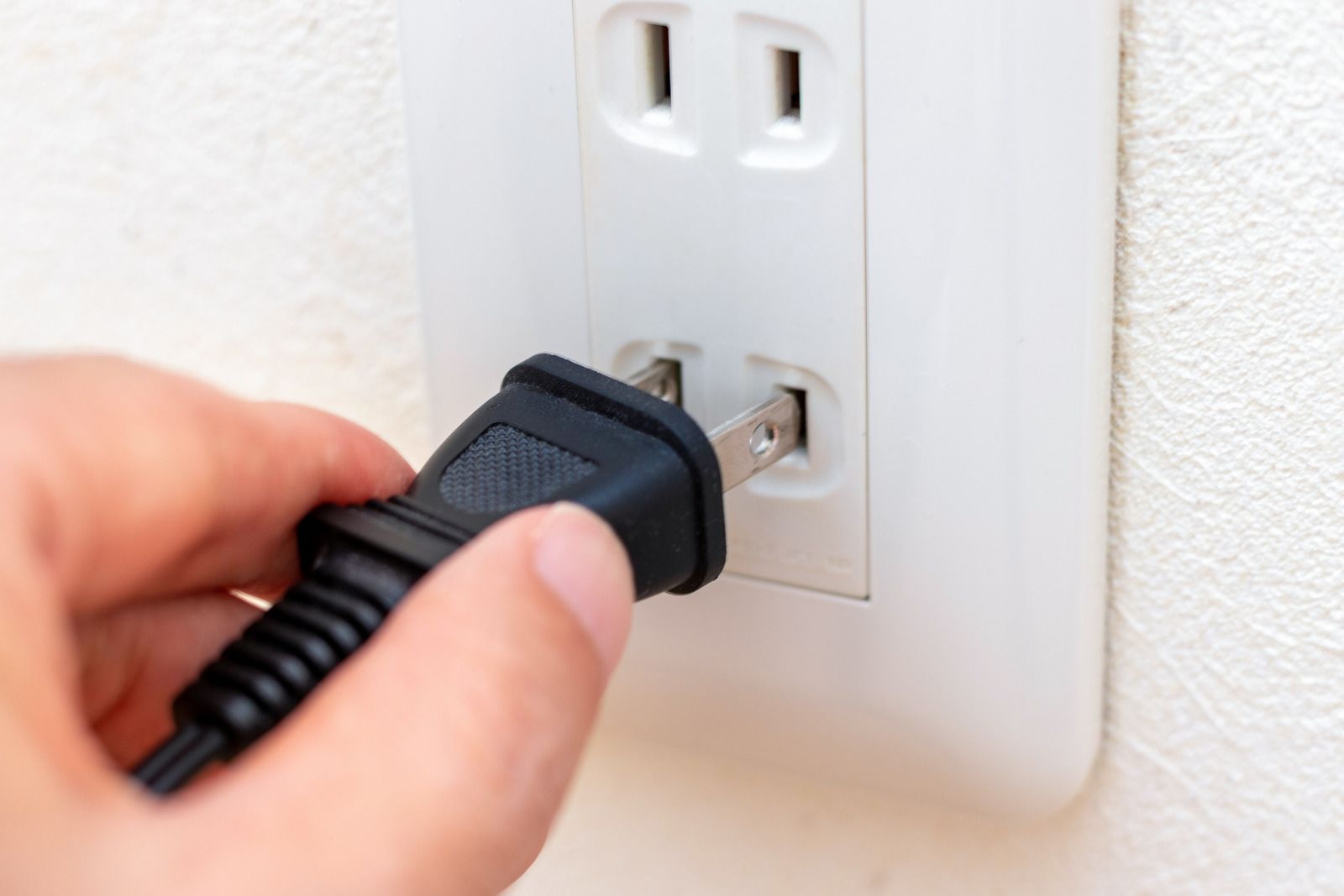
Home EV charging generally falls into two categories: Level 1 and Level 2. Level 1 chargers use a standard 120-volt household outlet and typically provide 3 to 5 miles of range per hour. While this can be sufficient for drivers with short commutes or limited daily mileage, it may not be practical for families or those with longer travel needs.
Level 2 chargers, on the other hand, operate on 240 volts and can deliver 15 to 30 miles of range per hour. Installing a Level 2 charger at home significantly reduces charging time and allows for overnight charging to fully replenish the EV battery. Choosing the appropriate charger depends on driving habits, vehicle battery capacity, and home electrical infrastructure.
Smart Charging Features
Modern EV chargers often include smart features such as Wi-Fi connectivity, scheduling, energy monitoring, and integration with renewable energy sources like solar panels. These features not only enhance convenience but can also optimize electricity usage, reduce costs during peak hours, and support eco-friendly energy practices. For instance, a smart charger can automatically delay charging until off-peak electricity rates apply, saving money and reducing strain on the local grid.
Preparing Your Home Electrical System
Electrical Panel Assessment
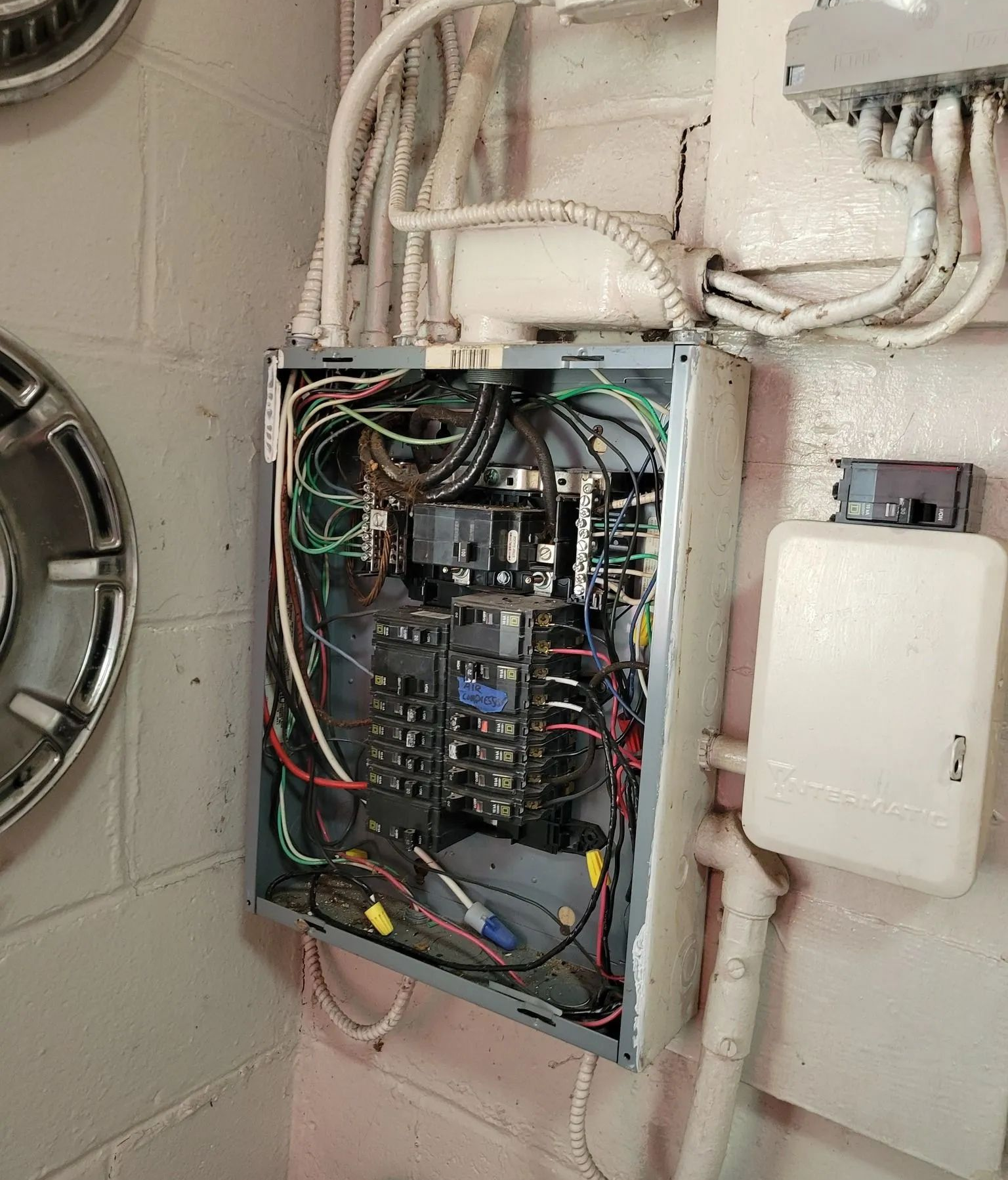
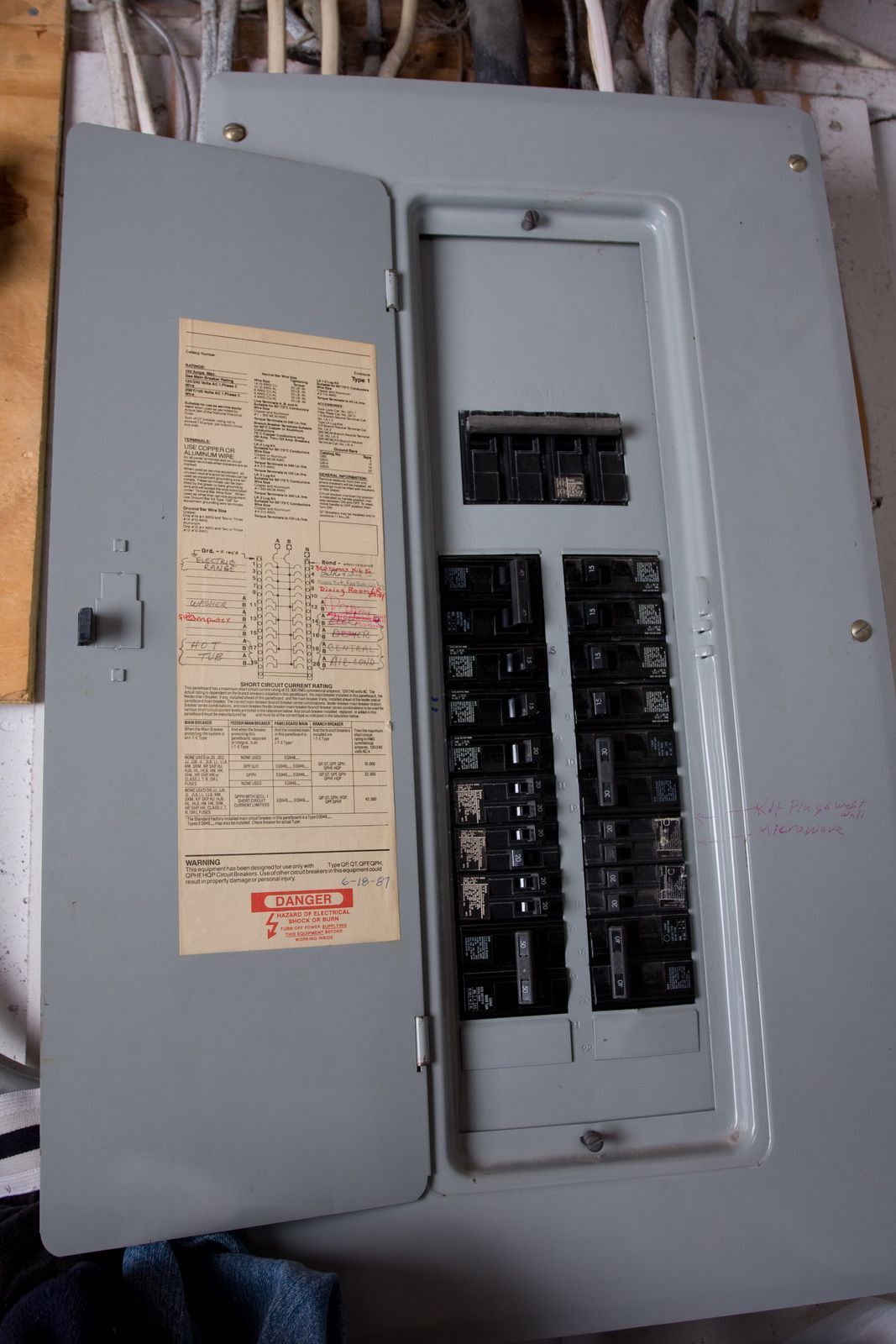
Before installing a Level 2 charger, it’s crucial to assess your home’s electrical panel. A professional electrician will evaluate whether your current panel can handle the additional load. Homes with older panels or limited capacity may require upgrades to safely support EV charging. Overloading circuits can pose fire risks, damage appliances, or reduce the overall efficiency of your electrical system.
Circuit Installation and Safety Measures
A dedicated circuit is recommended for any EV charger. This ensures that the charger operates independently of other home appliances, providing stable and consistent power. Proper grounding, circuit breakers, and compliance with local electrical codes are essential. Safety considerations include evaluating potential hazards, ensuring proper placement of the charger, and maintaining adequate clearance around the unit.
Real-World Scenario
Consider a family in a suburban neighborhood who recently purchased a mid-range EV. Their home was built in the 1980s with a 100-amp electrical panel. A professional assessment revealed the panel could not safely accommodate a Level 2 charger. After installing a new 200-amp panel and a dedicated circuit, they were able to enjoy faster, safer charging without compromising household electricity use.
Choosing the Right Charger for Your Needs
Factors to Consider
Selecting the right EV charger involves more than just matching voltage and amperage. Homeowners should consider vehicle compatibility, charging speed, installation location, and budget. Some chargers are portable, offering flexibility for travel or multiple vehicles, while others are permanently mounted for maximum efficiency and aesthetics.
Charger Placement
The location of your charger affects convenience, cable management, and safety. Garages, carports, and driveways are common installation sites, but each comes with considerations such as exposure to weather, proximity to the electrical panel, and ease of access for daily use. Proper planning ensures the charger remains safe, functional, and unobtrusive.
Future-Proofing Your Installation
As EV technology evolves, battery capacities increase, and more households adopt electric vehicles, it’s wise to future-proof your installation. Choosing a charger with higher amperage or smart features ensures that your setup remains effective even as your needs change. This approach avoids costly upgrades and allows for multiple vehicles to be charged simultaneously if necessary.
Installation Process: Step-by-Step Insights
Professional Assessment
The first step in the installation process is a professional site assessment. An electrician evaluates the home’s electrical capacity, identifies optimal charger placement, and provides a cost estimate. This step is crucial to ensure compliance with local codes and to address any potential obstacles.
Electrical Work and Wiring
Once the assessment is complete, the installation process begins with necessary electrical upgrades, including panel capacity expansion and dedicated circuit wiring. The electrician ensures that all wiring meets safety standards, grounding is properly established, and breakers are correctly sized.
Charger Mounting and Setup
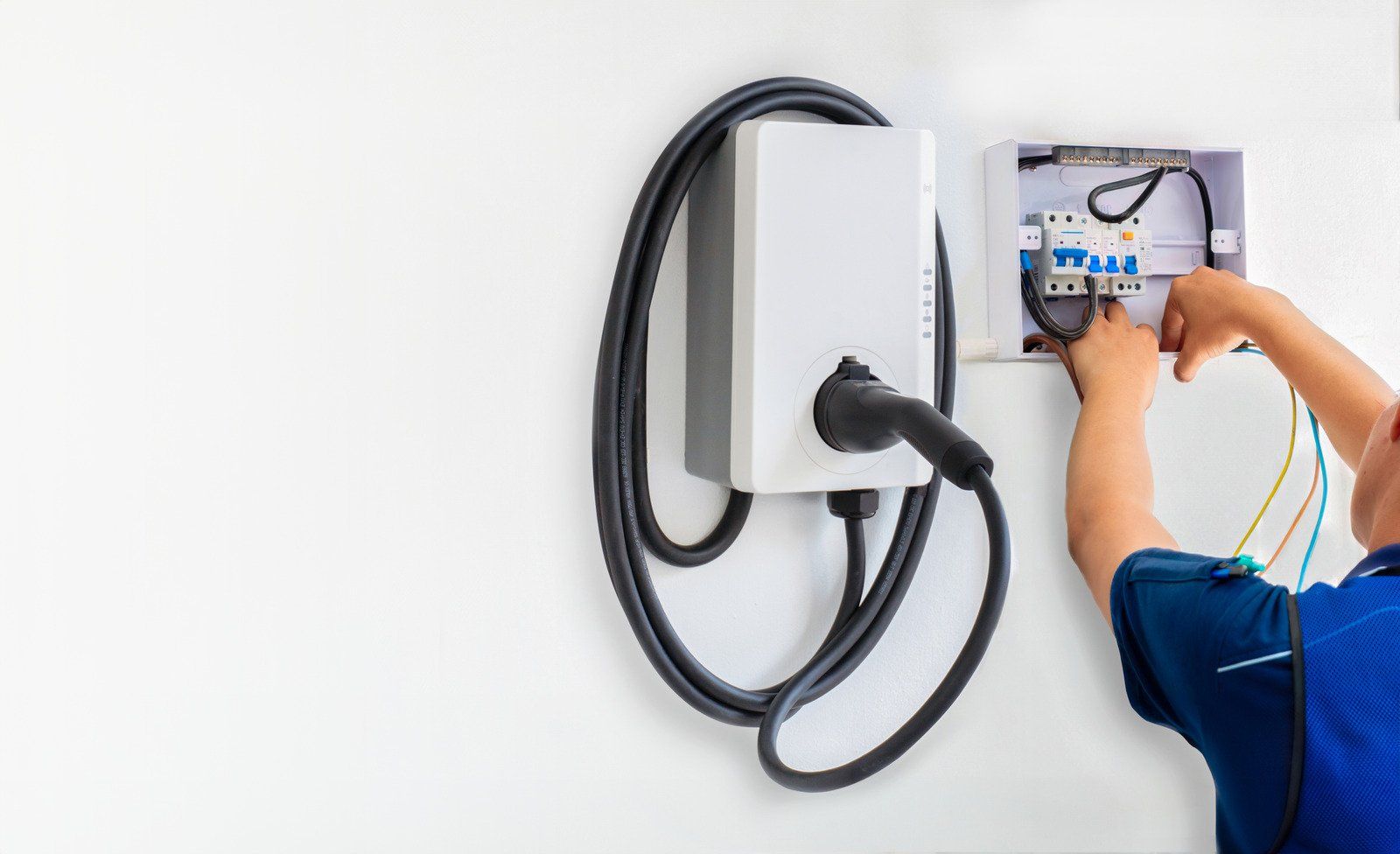
After electrical preparation, the charger is mounted securely in the chosen location. For Level 2 chargers, this typically involves wall mounting, securing conduit, and connecting the charger to the dedicated circuit. Smart chargers may also require network setup, software updates, and configuration to integrate features such as scheduling and energy monitoring.
Testing and Verification
Finally, the charger is tested to confirm proper operation, consistent voltage, and safety compliance. Electricians verify that the system functions under real-world conditions, ensuring reliable performance and peace of mind for the homeowner.
Benefits of Home EV Charger Installation
- Convenience and Time Savings :- One of the most significant advantages of installing an EV charger at home is convenience. Instead of relying on public charging stations, drivers can recharge overnight or whenever the vehicle is not in use. This eliminates time spent searching for available chargers, waiting in lines, and traveling out of the way to refuel.
- Cost Efficiency:- Home charging can also be more cost-effective than public stations, particularly when leveraging off-peak electricity rates. For households with solar panels, charging an EV at home can maximize renewable energy use, further reducing energy bills and environmental impact.
- Increased Property Value:- Homes equipped with EV chargers are becoming more attractive to buyers as electric vehicles gain popularity. Installing a reliable, professionally installed charger can enhance property value, appeal to environmentally conscious buyers, and demonstrate forward-thinking home infrastructure.
- Environmental Impact:-
Using an EV charger at home supports sustainable transportation by reducing dependence on fossil fuels. Homeowners can combine charging with renewable energy solutions to further decrease their carbon footprint, contributing to cleaner air and a healthier environment.
Common Challenges and How to Overcome Them
Electrical Limitations
Older homes may have electrical limitations that require panel upgrades or circuit rewiring. Engaging a licensed electrician ensures that these upgrades are handled safely and efficiently, avoiding future complications or hazards.
Cost Considerations
The cost of EV charger installation can vary depending on electrical upgrades, charger type, and installation complexity. While upfront costs may seem high, long-term savings on fuel, maintenance, and potential incentives or rebates can offset the initial investment.
Permit and Code Compliance
Local regulations often require permits for EV charger installation. Working with a professional installer ensures compliance with building codes, safety standards, and any utility requirements. This approach prevents legal issues, ensures safety, and guarantees proper functionality.
Adapting to Evolving Technology
As EV technology evolves, chargers and vehicles may require higher power levels or new connectivity features. Future-proofing installations by choosing versatile, high-capacity chargers allows homeowners to adapt without major modifications, ensuring the system remains relevant and effective for years to come.
Best Practices for Optimal Home EV Charging
Schedule Smart Charging
Maximizing efficiency involves using smart charging schedules. Charging during off-peak hours reduces energy costs and minimizes demand on the grid. Many modern chargers allow automated scheduling to align with electricity rates or renewable energy availability.
Regular Maintenance
Although EV chargers require minimal maintenance, periodic inspections ensure that connections remain secure, cables are intact, and the charger functions correctly. Preventive maintenance prevents disruptions, extends equipment life, and maintains safety standards.
Safety First
Always follow manufacturer guidelines, keep the area around the charger clear, and avoid overloading circuits. Using a licensed professional for installation and adhering to local codes ensures safe, reliable operation for years to come.
Integration with Home Energy Systems
Homeowners with solar panels or battery storage systems can integrate EV chargers into their energy ecosystem. This approach maximizes renewable energy use, provides backup power options, and enhances overall efficiency and sustainability.
Trusted Experts Ensuring Reliable Home EV Charging
Installing an EV charger at home is more than a convenience—it’s a strategic investment in efficiency, safety, and the future of sustainable transportation. From understanding charger types and preparing your electrical system to selecting the right model and ensuring professional installation, each step plays a critical role in achieving a reliable and cost-effective home charging setup. Proper planning, adherence to safety standards, and incorporation of smart technology enable homeowners to enjoy faster, more efficient charging while minimizing energy costs and environmental impact.
At Northrup Electrical Services LLC, we bring over 24
years of experience serving Shepherdsville and Louisville, Kentucky. Our licensed electricians
specialize in EV charger installations, combining technical expertise with personalized service to ensure each project meets the highest safety and efficiency standards. We guide homeowners through every step, from site assessment and electrical upgrades to smart charger setup and ongoing maintenance. Trust Northrup Electrical Services LLC
to provide professional, reliable solutions that empower your transition to electric vehicle ownership with confidence and peace of mind.